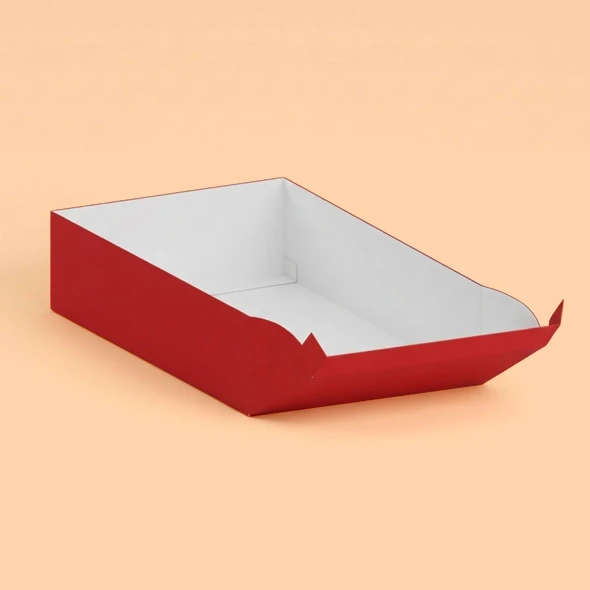
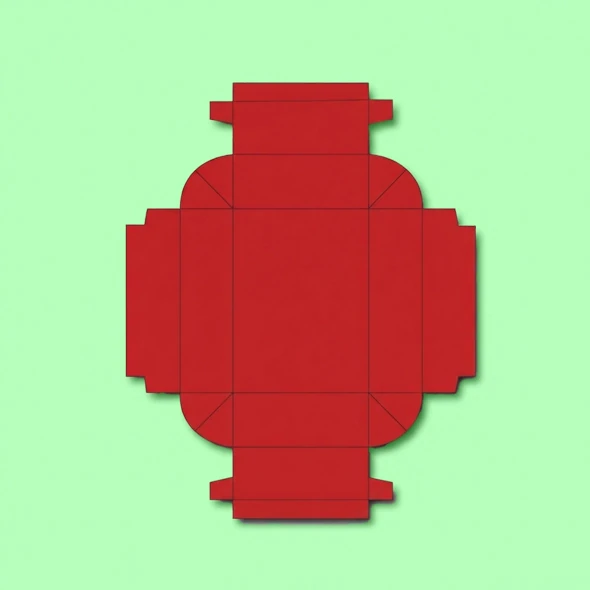
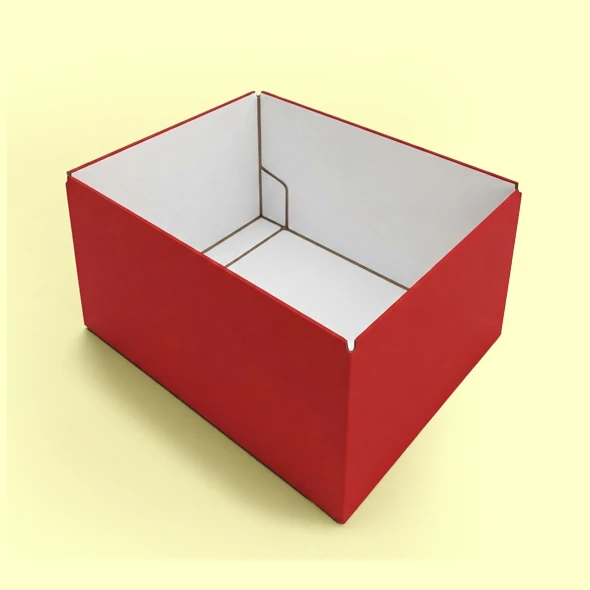
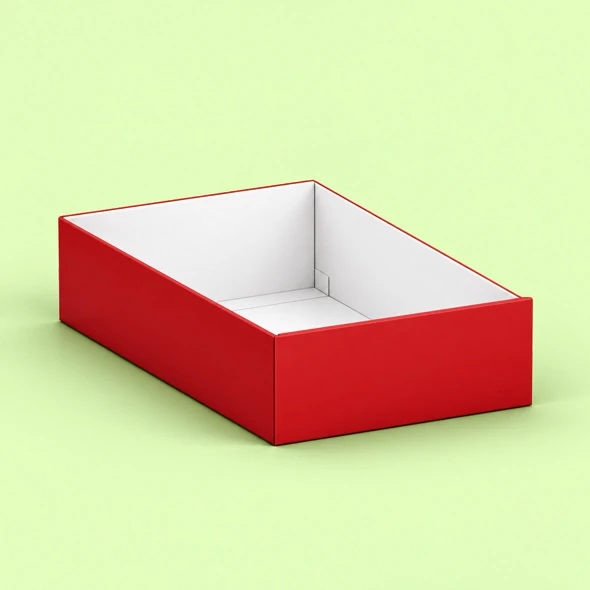
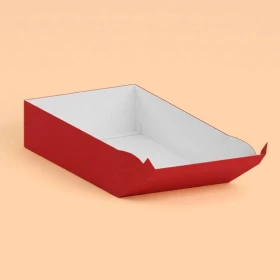
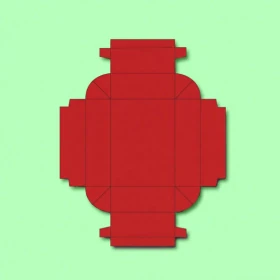
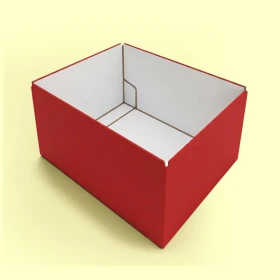
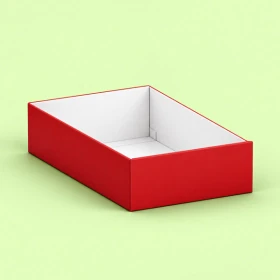


| Box Style | As Mention Above |
|---|---|
| Dimension (L + W + H) | All Custom Sizes & Shapes |
| Minimum Run ( For Boxes and Mylar Bags) | 100 Boxes - 1000 Mylar Bags ( 500 each design) |
| Paper Stock | 10pt to 28pt (60lb to 400lb) Eco-Friendly Kraft, E-flute Corrugated, Bux Board, Cardstock |
| Printing | No Printing, CMYK, CMYK + 1 PMS color, CMYK + 2 PMS colors |
| Finishing | Gloss Lamination, Matte Lamination, Gloss AQ, Gloss UV, Matte UV, Spot UV, Embossing, Foiling |
| Included Options | Die Cutting, Gluing, Scored,Perforation |
| Additional Options | Eco-Friendly, Recycled Boxes, Biodegradable |
| Proof | Flat View, 3D Mock-up, Physical Sampling (On request) |
| Turnaround | 7 - 8 Business Days |
| Shipping | FLAT Position |
Choose Your Stock
Every order is printed on your choice of four packaging stocks. Not sure which suits your product? Tell us what you're packing and we'll recommend one.
-
01

-
02

-
03

-
04

Finishing Assortment
Finishes are what make a box feel considered. Combine any of the options below — our team will proof the effect before anything goes to print.
-
01

-
02

-
03

-
04

-
05

-
06

Why Choose Double Wall Trays for Packaging?
Double wall trays are designed to hold products in an open, accessible format while providing structural support around the base and sides. Unlike fully enclosed cartons, these trays allow products to remain visible and easy to retrieve, making them suitable for retail merchandising, warehouse organization, product grouping, and selected distribution applications.
Their performance depends on the material, wall construction, tray dimensions, and weight of the products being carried. A well-designed tray helps maintain product arrangement and reduces unnecessary handling when merchandise needs to be displayed or transferred between locations.
Businesses can specify custom double wall trays according to their product measurements, storage requirements, and branding needs. Options may include printed panels, different board grades, reinforced corners, and compatible inserts. The aim is to select a construction that supports the products without adding unnecessary material or making the tray difficult to handle.
Structural Features That Support Product Weight
The main purpose of double wall tray construction is to provide suitable rigidity for the intended application. Depending on the packaging design, the term may refer to reinforced paperboard walls or double-wall corrugated board. These constructions differ and should be specified accurately when requesting a quotation.
Double-wall corrugated board uses two fluted layers separated by liner sheets. This construction can provide additional cushioning and stacking strength compared with many single-wall corrugated options. Reinforced paperboard trays use a different structural approach and may be suitable for retail packaging or lighter merchandise.
When selecting the structure, consider these factors:
- Base strength: The bottom panel must support the combined weight of the products.
- Wall rigidity: The sides should resist bending under normal handling conditions.
- Corner construction: Folded, locked, or reinforced corners can influence stability.
- Product distribution: The weight should be distributed evenly across the base where possible.
- Handling frequency: Trays used repeatedly may need stronger materials or more durable construction.
For heavier products or demanding distribution conditions, request an appropriate structural recommendation and sample testing rather than relying on the term double wall alone.
Tray Styles for Different Applications
The right tray style depends on whether products need to be displayed, transported, separated, or replenished quickly.
Open-Top Display Trays
Open-top trays keep merchandise visible and accessible without requiring a separate lid. They can be useful for retail counters, promotional displays, and products that customers or staff need to reach frequently.
Reinforced Corrugated Trays
Corrugated trays can provide added support for grouped products during storage and distribution. Double-wall corrugated construction may be appropriate when the application requires greater rigidity, subject to the selected flute profile, board grade, dimensions, and load.
Custom Compartment Trays
Internal dividers can separate individual items and help maintain an orderly arrangement. This option suits product assortments, accessories, and components that should not move freely within the tray.
Retail-Ready Packaging Trays
Retail-ready trays are designed to help staff move merchandise onto shelves or counters with minimal rearrangement. Depending on the design, the outer packaging may be removed while the tray remains in place for display.
Stacking Trays
Some trays can be designed for stacking during storage or transportation. Safe stacking depends on the tray geometry, board strength, product weight, and whether the load is evenly distributed. A sample or stacking test can help confirm suitability.
Selecting Materials for Custom Double Wall Trays
Material selection affects strength, weight, appearance, print quality, and cost. The best option depends on the product and the environment in which the tray will be used.
Double-wall corrugated board: This material uses two fluted layers and is commonly considered when additional cushioning and structural support are required. It may suit heavier merchandise, grouped products, and selected distribution applications.
Single-wall corrugated board: Depending on the product weight and tray design, single-wall corrugated material may provide sufficient performance. It can be a practical option when double-wall construction is unnecessary.
Paperboard and cardboard: Paperboard-based trays can suit lightweight products, retail presentation, and printed packaging. Board thickness and folding design should be selected according to the required rigidity.
Kraft board: Kraft material offers a natural brown appearance that works well with simple branding and understated product presentation. Its suitability depends on the required strength and the selected board grade.
Coated paperboard: Coated surfaces can support sharper printed graphics and a more refined appearance. The coating, board construction, and finishing process should be compatible with the intended application.
Not every material is suitable for every tray design. Product weight, moisture exposure, stacking conditions, and handling requirements should guide the final selection.
Custom Printing for Brand Recognition
Although double wall trays are functional packaging, their visible panels can also communicate brand identity and product information. Printing can help retailers distinguish product ranges, identify merchandise, and maintain a consistent presentation across packaging.
Depending on the selected material and production process, available options may include:
- CMYK printing for multicolor graphics and detailed artwork.
- Pantone color matching for specific brand colors.
- Matte or gloss finishes where compatible with the board.
- Printed logos, product names, and handling instructions.
- Promotional messaging and product identification.
For trays intended mainly for warehouse or distribution use, clear product labels may be more important than decorative finishes. For retail applications, brand colors and well-positioned graphics can improve visual consistency.
Artwork should account for the tray's folds, corners, glue areas, and exposed edges. Request a digital proof or physical sample to confirm that important information remains visible once the tray is assembled.
Industries That Use Double Wall Trays
Double wall trays can serve several industries when their construction is matched to the products being handled.
Food and beverage distribution: Trays may organize packaged products for handling and display. Direct food contact requires appropriate materials and confirmation of applicable food-safety requirements.
Cosmetics and personal care: Trays can group boxed beauty products, accessories, and promotional sets for organized retail presentation.
Electronics and accessories: Suitable trays can hold packaged cables, adapters, and small components. Sensitive products may require additional cushioning or protective inserts.
Retail and e-commerce operations: Trays can help organize merchandise in storage areas and support the transfer of grouped products between handling stages.
Manufacturing and industrial supply: Components can be arranged in trays for easier identification, sorting, and internal movement, provided the tray is designed for their weight and shape.
Promotional merchandise: Branded trays can present coordinated products at events, product launches, and retail promotions.
For any application involving fragile, heavy, moisture-sensitive, or regulated products, specify the relevant performance requirements before choosing a material.
How to Determine the Correct Tray Dimensions
Tray dimensions should be based on the products being placed inside, not simply the available shelf space. Measure the length, width, and height of the items, including any individual packaging or protective wrapping.
Next, determine how the products will be arranged. A tray holding several small items may need dividers, while larger products may require a wider base and higher sidewalls. Leave enough clearance for products to be placed and removed without excessive friction or movement.
Before approving the design, confirm:
- Internal length, width, and usable depth.
- Product count and combined weight.
- Required wall height and base support.
- Whether dividers or inserts are necessary.
- Shelf, pallet, or storage dimensions.
- Stacking and transportation requirements.
Clearly distinguish internal dimensions from external dimensions when communicating with your packaging supplier. This helps reduce sizing errors and ensures the finished tray accommodates the intended products.
Cost Factors for Wholesale Double Wall Trays
The price of custom double wall trays depends on more than the quantity ordered. Board grade, construction complexity, tray size, printing coverage, finishing, inserts, and delivery arrangements all contribute to the final cost.
Larger orders may reduce the unit price through production efficiencies, but the most economical order quantity depends on demand, storage capacity, and the likelihood of product or artwork changes. Ordering more trays than the business can use may increase storage costs and tie up working capital.
To obtain a useful quotation from CustomBoxesZone Canada, provide the product dimensions, total weight, tray quantity, intended application, material preference, printing requirements, and any stacking or shipping expectations.
If you are replacing an existing tray, photographs or a physical sample can help clarify the structure. For a new design, a prototype can be used to evaluate fit, loading, handling, and stability before full production.
Order Custom Double Wall Trays in Canada
Choosing the right tray requires a balance between product support, material efficiency, convenient access, and presentation. A tray designed for lightweight retail merchandise may require a different construction from one used for heavier products or distribution.
CustomBoxesZone Canada can help you define the specifications for your packaging project, including dimensions, board selection, printing, and structural requirements. Prepare your product measurements and expected order quantity before requesting a quote so that the available options can be evaluated against your actual needs.
Confirm the material, dimensions, printing proof, and intended load before approving production. These checks help ensure your custom double wall trays are suitable for their intended use.