


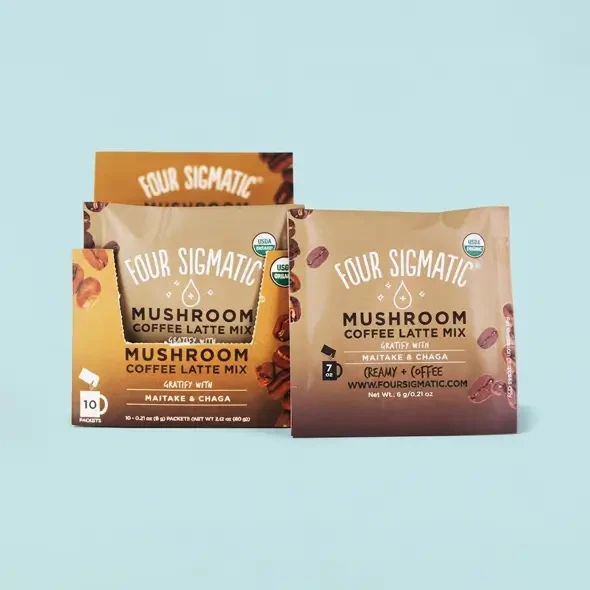
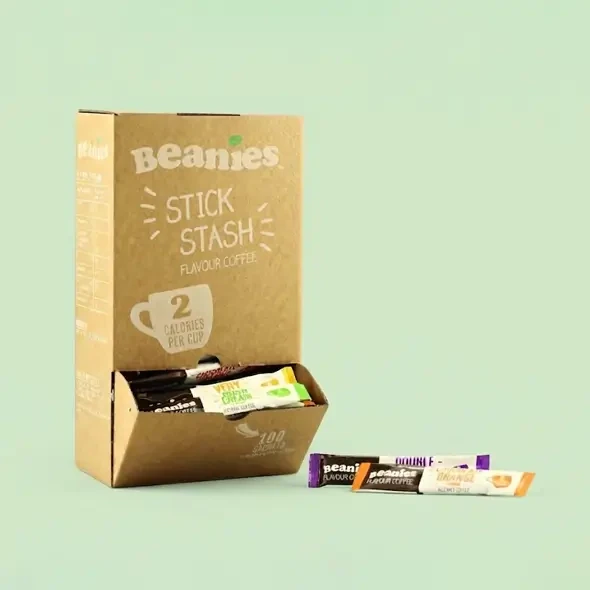
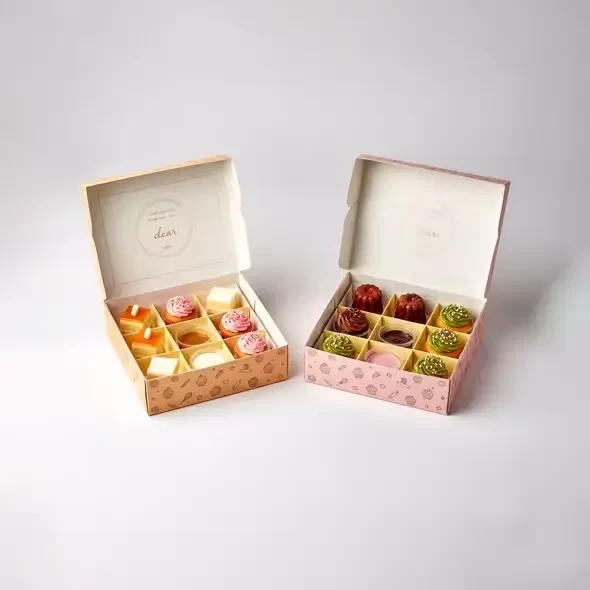
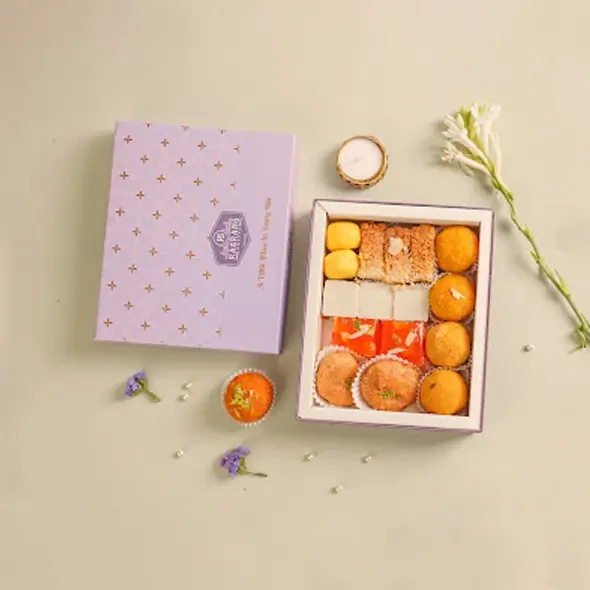

| Box Style | As Mention Above |
|---|---|
| Dimension (L + W + H) | All Custom Sizes & Shapes |
| Minimum Run ( For Boxes and Mylar Bags) | 100 Boxes - 1000 Mylar Bags ( 500 each design) |
| Paper Stock | 10pt to 28pt (60lb to 400lb) Eco-Friendly Kraft, E-flute Corrugated, Bux Board, Cardstock |
| Printing | No Printing, CMYK, CMYK + 1 PMS color, CMYK + 2 PMS colors |
| Finishing | Gloss Lamination, Matte Lamination, Gloss AQ, Gloss UV, Matte UV, Spot UV, Embossing, Foiling |
| Included Options | Die Cutting, Gluing, Scored,Perforation |
| Additional Options | Eco-Friendly, Recycled Boxes, Biodegradable |
| Proof | Flat View, 3D Mock-up, Physical Sampling (On request) |
| Turnaround | 7 - 8 Business Days |
| Shipping | FLAT Position |
What Actually Ruins Baked Goods in a Box
Presentation matters. But a beautiful box that fails at any of these four things costs you the sale and the repeat customer.
Grease. Butter and oil migrate into uncoated paperboard. You get dark translucent patches, a weakened box, and ink that looks smudged from behind.
Moisture and steam. Warm goods release steam. Trapped in a sealed box, it condenses and turns a crisp pastry soft within minutes.
Crushing. Cakes, cupcakes and decorated goods are structurally fragile. A box that flexes lets the product hit the lid.
Staleness and drying. Bread and some cakes go stale faster in the wrong environment, and different products need opposite conditions.
Everything below solves one of these four.
How Grease Resistance Actually Works
This is the question every bakery has and no competitor answers.
Plain paperboard is absorbent. Fat migrates into the fibre, spreads outward, and darkens the board. On a butter croissant or a fried donut it can show within the hour.
There are three ways to stop it.
Grease-resistant paper and board. The stock itself is manufactured with a barrier. Nothing added, nothing to delaminate.
Barrier coatings. Applied to the food-contact side. Effective and widely used, and the option to ask questions about — see the note below.
Liners and inserts. Greaseproof paper, cake circles or a separate tray inside a standard box. Cheapest to implement and easy to change without reprinting the box.
Which you need depends on the product. Dry cookies, macarons and iced cakes rarely need a barrier. Croissants, danishes, donuts, buttery pastries and anything fried always do. Tell us the product, not just the box style.
A note on PFAS
Some traditional grease-proofing chemistry relies on PFAS compounds, which have come under increasing regulatory and retailer scrutiny in Canada and internationally.
Ask any packaging supplier including us to confirm in writing that barrier coatings on your food-contact packaging are PFAS-free. Requirements in this area continue to develop, so verify current rules with Health Canada or the CFIA for your product category rather than relying on a supplier's summary.
Steam, Condensation and Why Venting Matters
Sealing warm baked goods into an airtight box is the most common mistake in bakery packaging.
Steam has nowhere to go. It condenses on the inside of the lid, drips back down, and softens the crust. A croissant that was perfect at the counter arrives limp.
Three fixes:
Cool before boxing. The simplest answer and the one most often skipped during a busy morning.
Vent holes. Small perforations let steam escape. Standard on pizza and hot-food boxes, and worth specifying on any box for warm goods.
Match the box to the product. Crisp items need airflow. Moist cakes and soft cookies keep better in a more enclosed box that slows drying.
Crisp and soft want opposite things. If you sell both, you likely need two box specifications rather than one compromise.
Protecting Fragile Products in Transit
Decorated cakes, cupcakes and layered desserts fail structurally, not cosmetically.
Board weight. Move from 14pt to 18pt or 24pt as size and weight increase. A large flat lid panel needs more caliper than a small one, regardless of what is inside.
Cake boards and circles. A rigid base under the cake spreads the load and lets staff lift it without touching the product.
Inserts and dividers. Cupcake inserts hold each cake upright in its own well. Macaron and cookie dividers stop pieces sliding into each other. For multi-piece orders, these prevent more damage than a heavier box does.
Lid clearance. The lid must clear the icing. This sounds obvious and is the most frequent sizing error we correct — measure the tallest decoration, then add clearance.
Corrugated for transit. If boxes travel by courier rather than by hand, corrugated board provides protection folding carton stock cannot.
Choosing a Box Style by Product
Cake boxes are square or rectangular with a separate or hinged lid, deep enough for decoration, usually paired with a cake board.
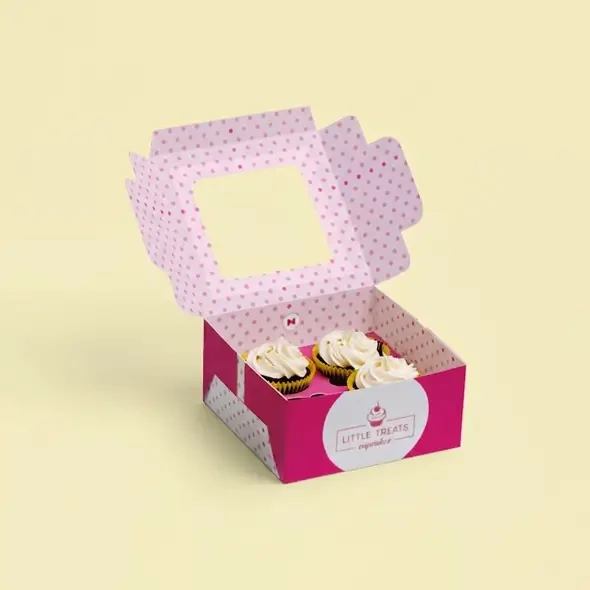
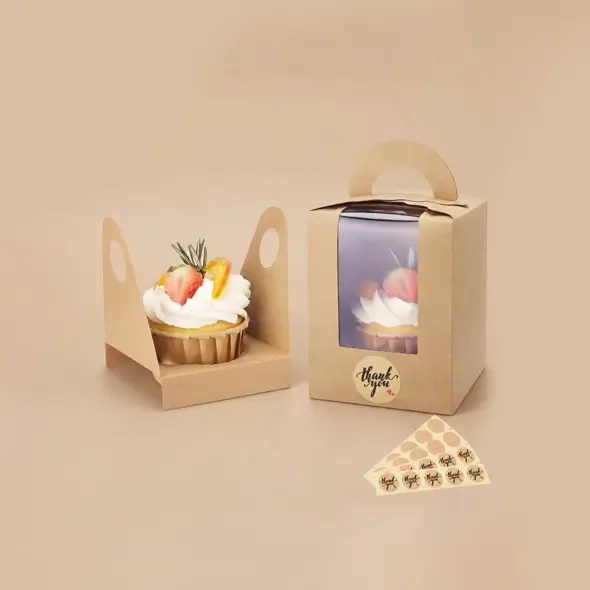
Cupcake boxes need inserts. Specify by cupcake count 1, 2, 4, 6 or 12 since the insert defines the box.
Cookie boxes suit tuck-end cartons or window boxes, with dividers for gift assortments.
Donut boxes need grease resistance and, for warm donuts, venting. Windows sell well here.
Pastry and croissant boxes need the most robust grease barrier plus airflow to protect the crust.
Macaron boxes need fitted inserts. Macarons are fragile and expensive, and loose ones arrive broken.
Bread and loaf boxes balance breathability against drying, often with a window or open panel.
Pie boxes need a rigid base and lid clearance for a raised crust.
Muffin boxes work like cupcake boxes but with deeper wells.
Gable and handle boxes suit takeaway and gifting where the customer carries it by hand.
Sleeves and wraps brand a plain tray or base economically.
Materials for Bakery Packaging
Coated white board (SBS, C1S) is the standard for retail bakery boxes. Clean, bright, prints beautifully, and takes a grease barrier well. Best choice when photography or precise brand colour matters.
Kraft board signals artisan and small-batch, costs less, and hides handling marks. Uncoated kraft absorbs grease readily, so a barrier or liner is essential for anything buttery.
Corrugated adds strength for shipping, large cakes and heavy multi-item orders. E-flute gives the best print surface.
Greaseproof liners and cake circles work inside any of the above and are the easiest thing to change without reprinting.
Not sure which? Our cardboard packaging and corrugated packaging pages compare the base materials in detail.
Windows: Worth It or Not?
Windows sell baked goods. Customers buy what they can see. But they come with three trade-offs worth knowing.
Fogging. A window over warm goods fogs with condensation and hides exactly what it was meant to show. Cool the product first, or vent the box.
Recyclability. A plastic window has to be separated from the board before recycling, and many customers will not bother. Window-free designs with strong print, or die-cut open panels for products that do not need protection, avoid the problem.
Cost and cleanliness. Windows add cost and show fingerprints and scuffs more than solid board.
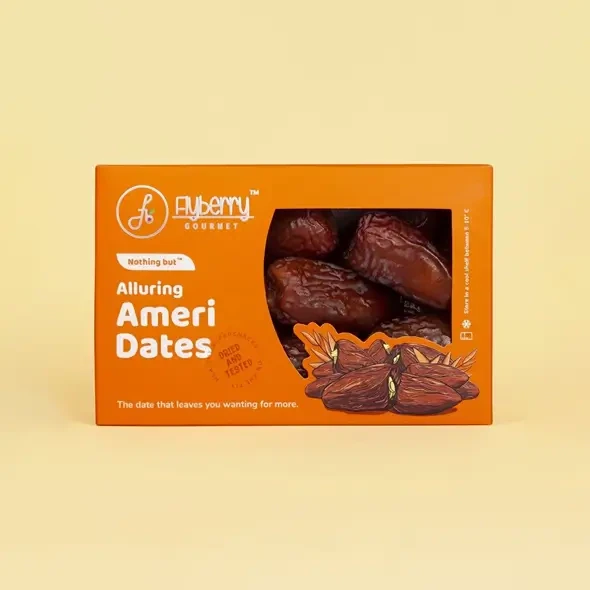
If you want visibility with fewer downsides, consider a die-cut opening on gift and dry-goods boxes, or a smaller window than instinct suggests. A modest window frames the product; a large one exposes every imperfection.
Food Safety and Canadian Labelling
Two things to get right before printing.
Food-contact suitability. Packaging that touches food must be appropriate for that use, which covers the board, the coating and the inks. Direct-contact surfaces are normally left unprinted. Confirm requirements for your product category with Health Canada or the CFIA.
Bilingual labelling. Much of the mandatory information on prepackaged foods sold in Canada must appear in English and French, and allergen declarations carry their own requirements.
We are packaging printers, not regulatory consultants. We will flag artwork that looks like it is missing something, but confirm your obligations with the CFIA or a labelling specialist and send us finalized copy.
Practical tip: bilingual copy needs roughly twice the space. Plan the layout around it rather than shrinking type later. If your recipes or suppliers change often, put mandatory information on a label rather than printing it on the box one box design plus a cheap label beats reprinting an entire run.
Refrigerated and Frozen Products
Cold storage changes the requirements.
Humidity in a fridge softens uncoated board over time. Freezing and thawing produces condensation on the surface. Cold also reduces adhesive tack, so labels applied in a chilled room may not bond properly.
If your product is stored or shipped cold, say so at quote stage. The board, coating and any adhesive all need specifying for it.
Our Bakery Packaging Range
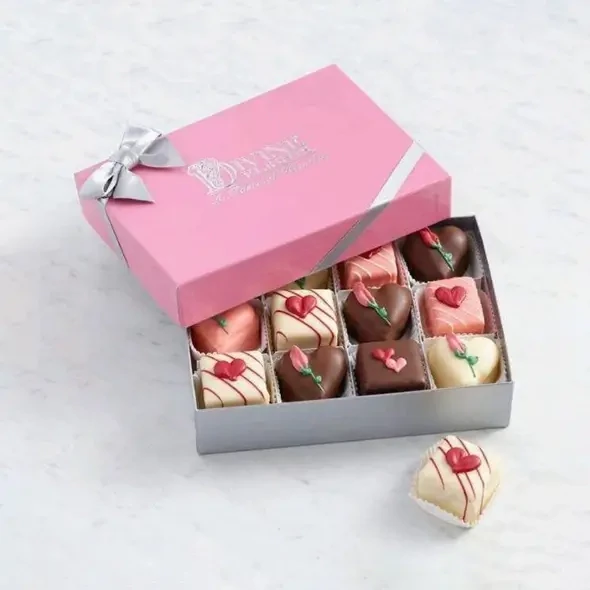
Bakery boxes run across several parts of our catalogue: cake boxes including loaf, four-corner and donut styles, cupcake and muffin boxes with inserts, cookie and confectionery boxes, dessert boxes, cone sleeves and holders, food sachet boxes for dry mixes, chocolate boxes, and gable boxes for takeaway.
For shipping rather than counter service, our corrugated mailer boxes handle direct-to-customer delivery. For sealing boxes and adding batch or allergen information, custom stickers are usually more economical than reprinting.
Getting Your Specification Right
Start with the product, not the box. Buttery or fried means a grease barrier. Warm at packing means venting. Fragile or decorated means inserts and a rigid base.
Measure the tallest point, including decoration, then add clearance.
Decide how it travels carried by hand, driven across town, or couriered. That sets the board.
Choose the material against your brand and your grease requirement together, not separately.
Add the window last, and only if visibility genuinely sells the product.
Send us the product, its dimensions including decoration height, and how it gets to the customer. We will specify the rest.
Working With Us
Every bakery box is built to your product rather than fitted to a stock size, which matters more here than in most categories lid clearance and insert fit are product-specific by definition.
Minimums start at 50 units, so a seasonal box or a single product line is practical. Competitors in this category commonly start at 200.
Die cutting, plate setup, custom shapes, scoring and insert dielines are included in the quoted price. Design support is free. Every order includes a free flat view and 3D digital mockup, with physical samples on request worth taking whenever grease resistance or insert fit is critical. Standard turnaround is 8 to 12 business days from proof approval, with a 4 to 6 day rush option. Free shipping across Canada.
Get a Bakery Box Quote
Tell us what you are packing, its dimensions including decoration height, whether it goes in warm, and how it reaches the customer. We will recommend the board, barrier, style and any inserts, quote it, and send a free proof before printing.


