


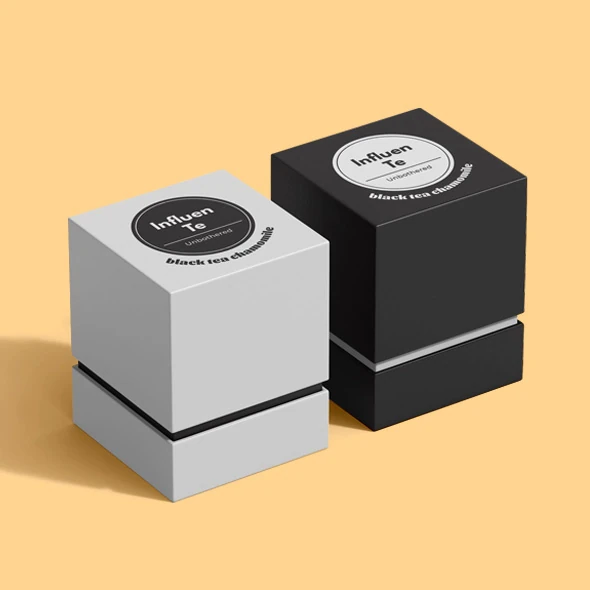
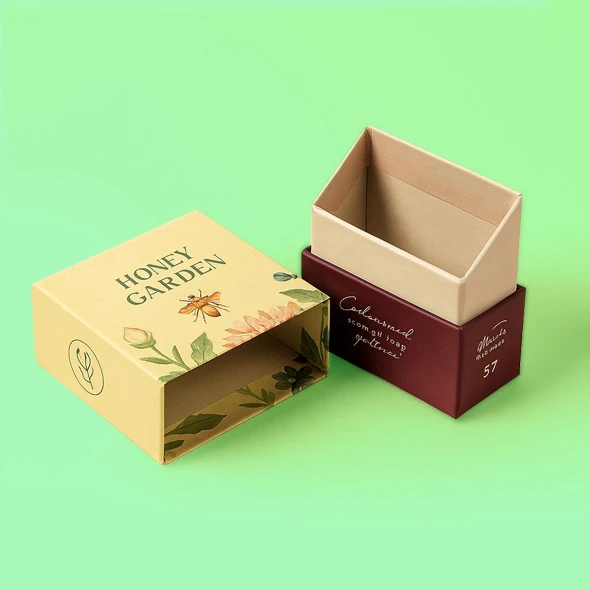
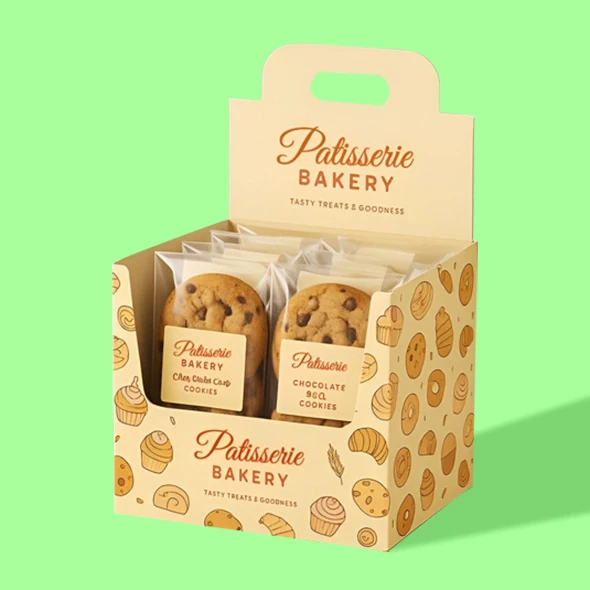
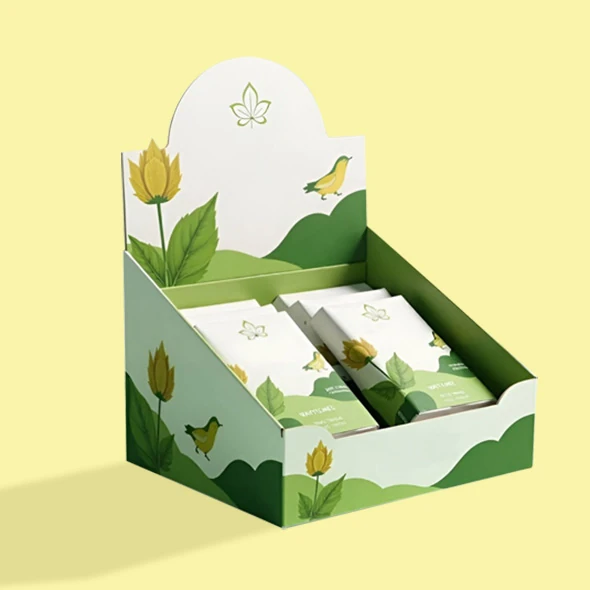
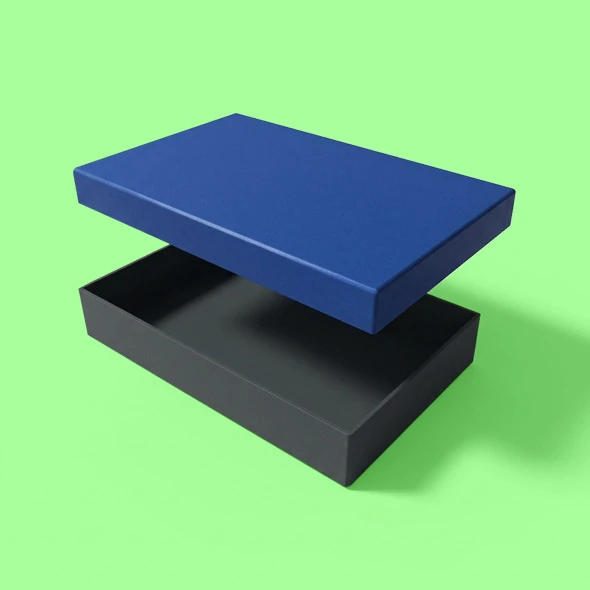
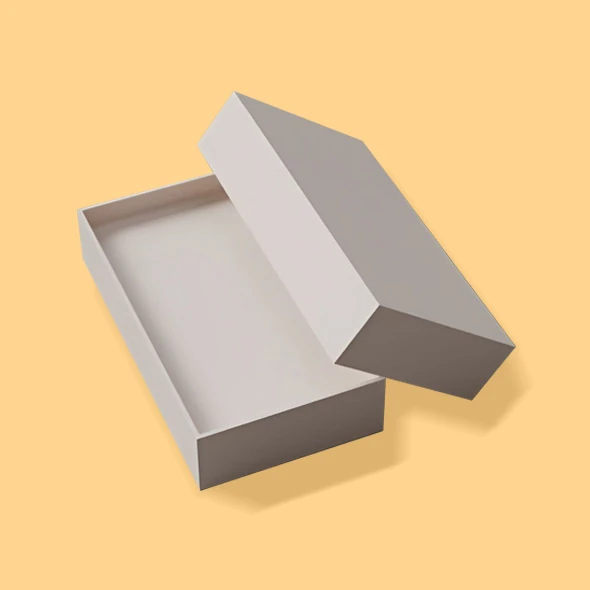
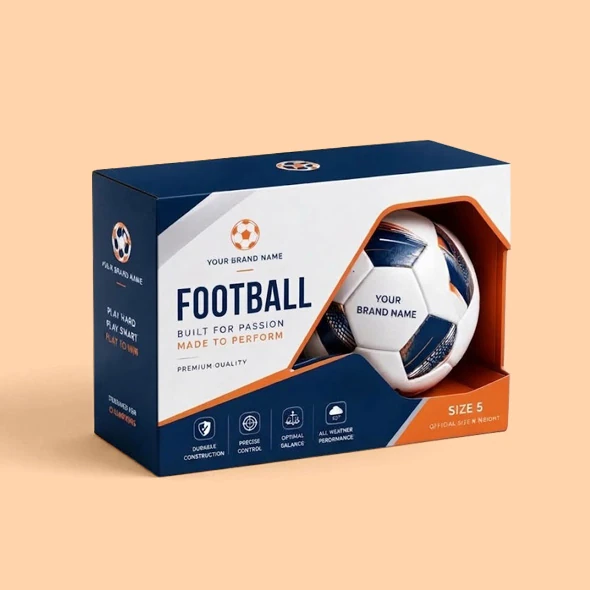
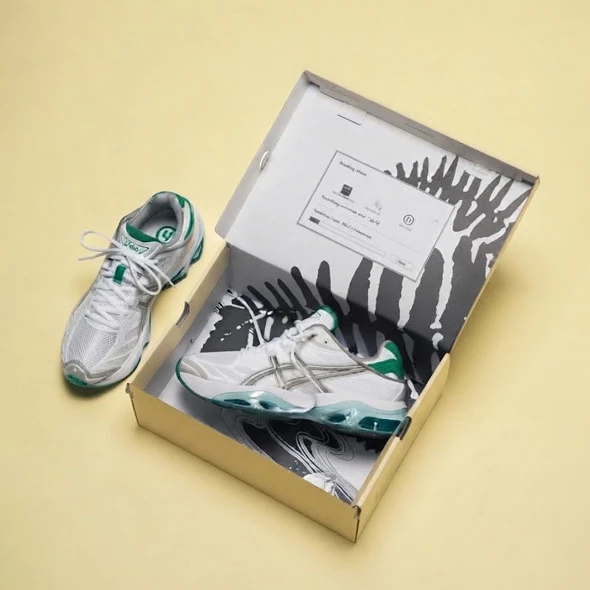
| Box Style | As Mention Above |
|---|---|
| Dimension (L + W + H) | All Custom Sizes & Shapes |
| Minimum Run ( For Boxes and Mylar Bags) | 100 Boxes - 1000 Mylar Bags ( 500 each design) |
| Paper Stock | 10pt to 28pt (60lb to 400lb) Eco-Friendly Kraft, E-flute Corrugated, Bux Board, Cardstock |
| Printing | No Printing, CMYK, CMYK + 1 PMS color, CMYK + 2 PMS colors |
| Finishing | Gloss Lamination, Matte Lamination, Gloss AQ, Gloss UV, Matte UV, Spot UV, Embossing, Foiling |
| Included Options | Die Cutting, Gluing, Scored,Perforation |
| Additional Options | Eco-Friendly, Recycled Boxes, Biodegradable |
| Proof | Flat View, 3D Mock-up, Physical Sampling (On request) |
| Turnaround | 7 - 8 Business Days |
| Shipping | FLAT Position |
Custom Shaped Boxes Designed Around Your Products
Standard packaging does not always fit the product or the brand behind it. Custom shaped boxes provide an alternative with distinctive outlines, tailored dimensions, and structural designs that match specific product requirements. Whether you need geometric packaging for retail products, creative gift boxes, or uniquely shaped containers for promotional campaigns, custom packaging allows you to develop a box around your product instead of adapting your product to a standard box.
Businesses can choose from a range of shapes, including circular, triangular, hexagonal, heart-shaped, pyramid, and other customized structures. Each design can be developed according to the product's dimensions, weight, presentation requirements, and intended use. Printed graphics, brand colors, custom inserts, and specialty finishes can further distinguish your packaging on retail shelves and in delivered orders.
Custom shaped packaging is suitable for cosmetics, confectionery, jewelry, apparel accessories, gifts, promotional merchandise, and many other product categories. The right combination of material, structure, and printing helps create packaging that looks distinctive while remaining practical for handling, storage, and distribution.
Explore Shapes That Make Products Stand Out
The shape of a box influences how customers perceive a product before they open it. A distinctive structure can attract attention, communicate a product's personality, and create a recognizable presentation. Selecting the right shape starts with understanding the product, the available packaging space, and the experience you want to deliver.
Geometric Boxes for Modern Retail
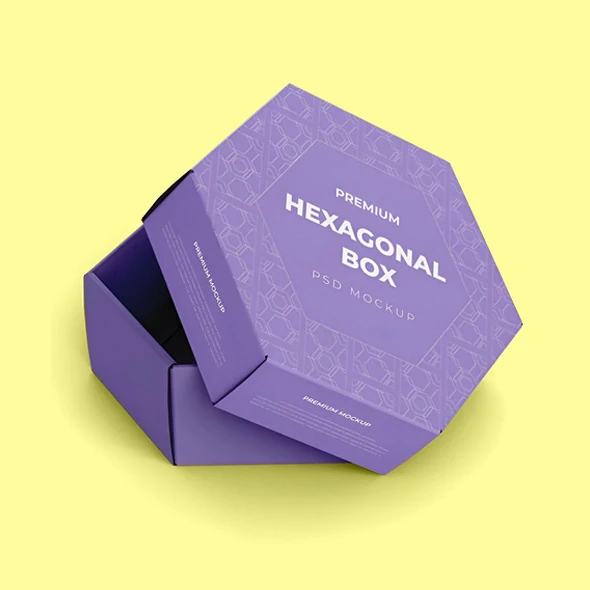
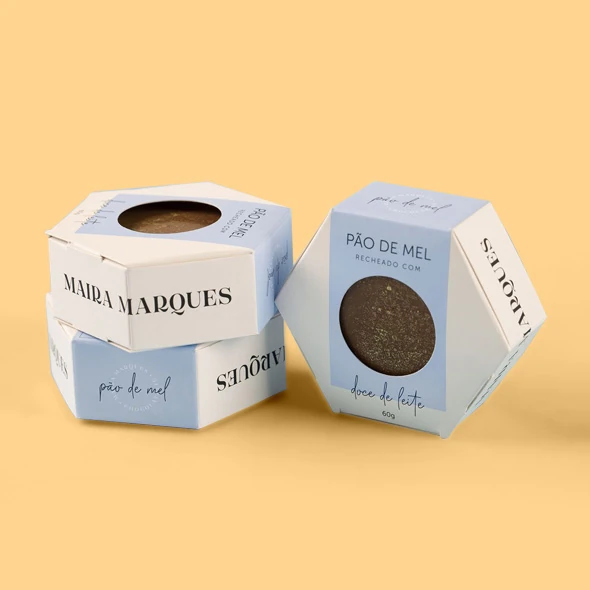
Geometric packaging includes triangular, hexagonal, octagonal, and other angular designs. These shapes work well for gift sets, specialty cosmetics, confectionery, promotional products, and products that benefit from an unconventional presentation.
A hexagonal box can provide a structured alternative to a conventional rectangular package, while a triangular design can give a product a more distinctive silhouette. Structural requirements vary by design, so the dimensions, closing mechanism, and panel layout should be planned before production.
Round and Cylindrical Packaging
Round boxes and cylindrical packaging offer a different presentation for products such as candles, accessories, confectionery, and selected gift items. Depending on the product, these structures can be manufactured using rigid board, paperboard, or other suitable packaging materials.
Custom diameters, heights, printed wraps, and fitted inserts help create a coordinated package. For products that require additional protection, the internal structure should be selected according to the item's weight, fragility, and movement during transportation.
Heart-Shaped and Decorative Boxes
Heart-shaped boxes are frequently used for Valentine's Day gifts, wedding favors, chocolates, jewelry, and seasonal promotions. Their recognizable silhouette makes them suitable for occasions where presentation is an important part of the buying decision.
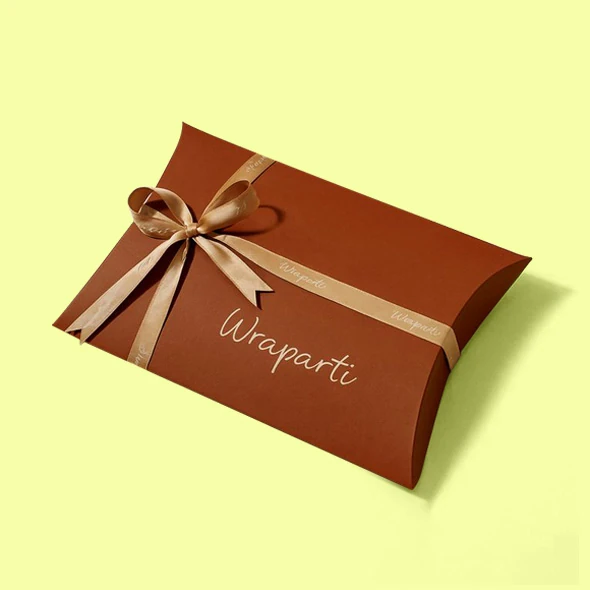
Decorative shaped boxes can also incorporate ribbon closures, foil details, specialty papers, or coordinated inserts. These additions should complement the product rather than make the packaging unnecessarily difficult to open, store, or ship.
Pyramid and Unconventional Box Designs
Pyramid boxes, trapezoidal structures, and asymmetrical designs provide options for brands seeking a less conventional package. They can be used for event giveaways, promotional products, small gifts, and selected retail items.
The final design should consider how the box opens, how securely it holds the product, and whether it can be assembled efficiently. Some unusual structures require more complex cutting, folding, or assembly than standard cartons, which can influence production costs and lead times.
Choose Materials That Match Your Packaging Needs
The material determines much of a box's appearance, rigidity, print quality, and performance. Custom shaped boxes can be manufactured using different substrates depending on the intended application, product weight, budget, and desired presentation.
Cardstock for Lightweight Products
Cardstock is a practical option for many lightweight products and retail packaging applications. It supports detailed printing, branded artwork, and a range of finishing options. It is particularly useful for shaped cartons containing cosmetics, small accessories, promotional items, and confectionery that does not require heavy-duty protection.
The appropriate board thickness depends on the box dimensions, structural design, and product weight. Larger or more complex shapes may require additional structural support to maintain their form during handling.
Kraft Board for a Natural Appearance
Kraft packaging offers a natural paper appearance that works well with minimalist branding, organic-inspired products, handmade goods, and selected food or gift applications. It can be printed with logos, product information, and decorative graphics according to the selected material and printing process.
Kraft board is not automatically suitable for every product or environmental claim. Businesses should confirm the material's composition, any barrier requirements, and relevant recyclability or food-contact information before selecting it for a particular application.
Corrugated Board for Added Protection
Corrugated packaging is suitable when a shaped box needs additional cushioning or resistance to handling. Its fluted structure provides more protection than many lightweight folding cartons, making it useful for shipping, heavier products, and selected subscription or promotional packaging.
The appropriate flute profile and board construction depend on the product's weight, dimensions, shipping conditions, and stacking requirements. For complex shapes, the structural design should account for both protection and ease of assembly.
Rigid Board for Premium Presentation
Rigid boxes are commonly selected for luxury gifts, jewelry, premium cosmetics, electronics accessories, and high-value presentation sets. Their sturdy construction provides a substantial feel and supports finishes such as textured wraps, foil stamping, and soft-touch lamination.
Custom rigid shaped boxes can incorporate fitted inserts, magnetic closures, lift-off lids, or other opening mechanisms where the structure allows. Because rigid packaging typically requires more material and assembly, businesses should consider the desired presentation alongside budget, storage, and shipping requirements.
Create a Brand Identity With Custom Printing
Custom printing helps connect your packaging design with your wider brand identity. Rather than using a plain box, businesses can incorporate their logo, brand colors, typography, product details, and campaign artwork into the package design.
Digital printing can be useful for short runs, prototypes, and designs with variable artwork, depending on the production setup. Offset printing is often suitable for larger quantities requiring consistent color reproduction and detailed graphics. The best process depends on order volume, substrate, artwork complexity, and production requirements.
Custom printed shaped boxes can feature exterior graphics, interior printing, product illustrations, patterns, and messaging. Brands can also use different artwork for seasonal releases, limited-edition collections, and promotional campaigns.
Before approving production, review the artwork against the structural dieline. Important elements should remain clear of cutting lines, folds, glue areas, and other production boundaries. A digital proof or structural sample can help identify potential issues before the full order is manufactured.
Finishes That Add Detail and Texture
Finishing options help determine the final appearance and tactile quality of custom packaging. The most suitable finish depends on the printed design, substrate, brand positioning, and expected handling conditions.
Matte lamination provides a subdued surface that works well with minimalist designs and sophisticated color palettes. It can reduce surface glare and create a smooth appearance.
Gloss lamination adds shine and can make printed colors appear more vibrant. It is useful for designs that rely on bright graphics or high visual contrast.
Soft-touch lamination creates a smooth, velvety surface often associated with premium packaging. It can complement cosmetics, jewelry, gift sets, and specialty retail products.
Foil stamping adds metallic details to logos, lettering, borders, or selected design elements. Gold, silver, and other foil colors can help emphasize important brand features.
Embossing and debossing create raised or recessed details on selected areas of the package. These techniques can add depth to logos and decorative elements, subject to the material and structure.
Spot UV coating applies a localized glossy effect to selected printed areas. It can create contrast between a highlighted graphic and a matte background.
Not every finish is compatible with every substrate or box shape. Confirm the available options during the design stage to ensure the final result suits the structure and production method.
Inserts and Closures for a Better Product Fit
A distinctive exterior is only one part of effective packaging. The internal layout should hold the product securely, prevent unnecessary movement, and make the package straightforward to open and close.
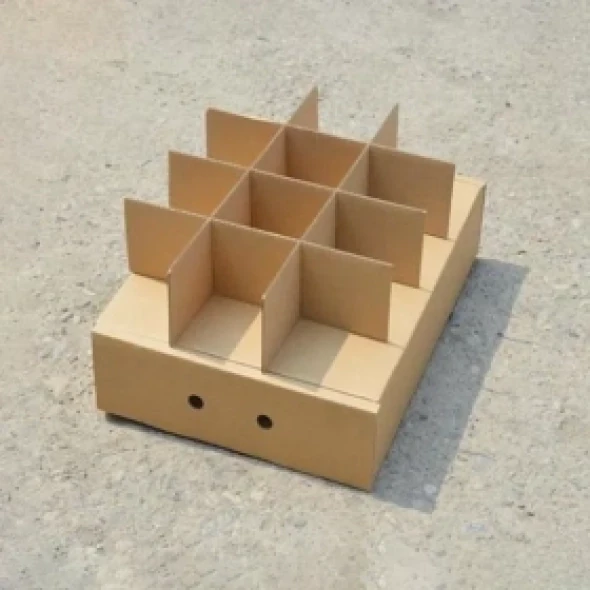
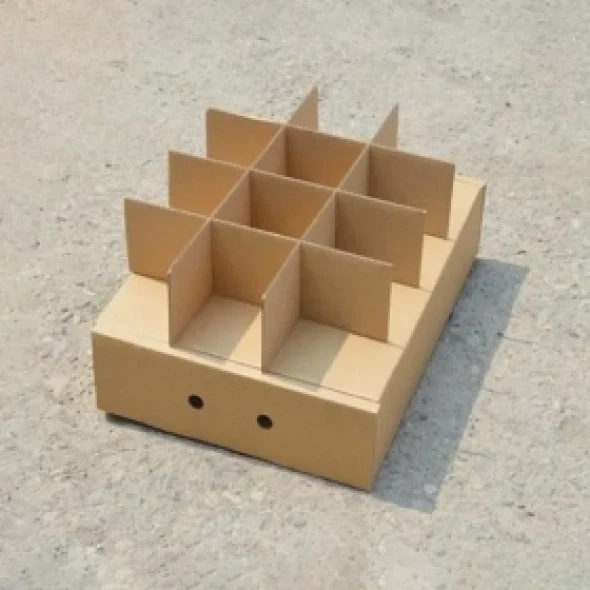
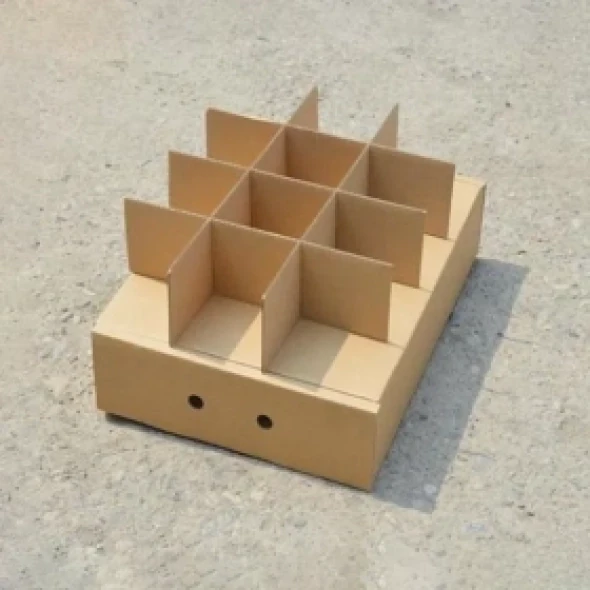
Custom inserts can be designed from suitable paperboard, corrugated material, foam, or other compatible substrates. They may include shaped cavities, dividers, supports, or compartments for products sold individually or in sets.
For example, a jewelry box may require a fitted insert that keeps an item in position, while a gift set may need separate compartments for several products. Fragile items may require additional cushioning based on their weight and handling requirements.
Closure options depend on the box construction. Tuck flaps, interlocking tabs, lift-off lids, magnetic closures, and other mechanisms can be considered where appropriate. The selected closure should balance security, usability, manufacturing complexity, and the intended customer experience.
Accurate product measurements are essential. Include the item's dimensions, weight, any accessories, and the space needed for protective materials when planning the internal fit.
Industries That Benefit From Shaped Packaging
Custom shaped boxes can support different industries because the structure and artwork can be adapted to the product and its audience.
Cosmetics and personal care: Distinctive packaging can present skincare products, makeup, beauty accessories, and gift sets. Inserts and suitable board grades help organize products and support retail presentation.
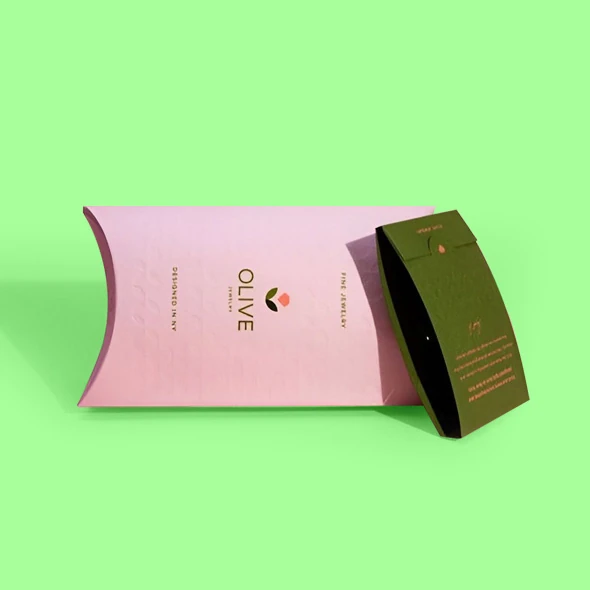
Jewelry and accessories: Heart-shaped, geometric, and rigid boxes can provide an attractive presentation for jewelry, watches, and small accessories. Interior supports can help keep items in position.
Food and confectionery: Custom shaped packaging can be used for chocolates, candies, bakery gifts, and seasonal treats. Materials and coatings must be selected according to the specific food-contact and grease-resistance requirements.
Gifts and promotional products: Unusual shapes can help event giveaways, branded merchandise, and special-occasion gifts stand apart from conventional packaging. Printed messaging can be tailored to a campaign or recipient.
Retail and specialty products: Brands selling accessories, collectibles, small electronics accessories, and niche consumer products can use distinctive box structures to create a consistent product presentation.
Subscription and seasonal collections: Shaped packaging can give limited-edition releases and curated product sets a recognizable appearance. The design should also account for shipping dimensions, assembly, and storage.
The most effective solution is the one that combines a suitable structure with the practical requirements of the product and the expectations of its intended customers.
From Concept to Production
Developing custom shaped boxes involves more than choosing an outline. A structured process helps ensure the finished packaging meets the product's dimensions, branding requirements, and production needs.
Define the Product Requirements
Start by identifying the product, its measurements, weight, fragility, and intended use. Decide whether the box will be displayed on a retail shelf, handed out at an event, used for gifting, or shipped directly to customers.
These details help determine the necessary material, internal dimensions, closure, and level of protection.
Select the Shape and Structure
Choose a shape that supports the product and the intended presentation. Consider how the box will be assembled, opened, stored, and handled. Unusual structures may require additional design work to ensure that panels align correctly and the package remains stable.
Prepare Artwork and Branding
Provide the logo, artwork, colors, typography, and required product information. Design files should follow the dieline and production specifications so that important text and graphics are not lost during cutting, folding, or assembly.
Review a Proof or Sample
A digital proof allows you to review artwork placement, while a physical sample can help assess dimensions, fit, assembly, and structural performance. For complex packaging or fragile products, a sample is particularly valuable before approving a full production run.
Confirm Production and Delivery Details
Before placing an order, confirm the material, finish, quantity, unit price, production schedule, shipping method, and any applicable setup costs. These details help prevent misunderstandings and make it easier to compare packaging options accurately.
Order Custom Shaped Boxes for Your Business
The right packaging should reflect your brand while meeting the practical needs of your product. Custom shaped boxes offer flexibility in design, material selection, printing, and finishing, allowing businesses to move beyond standard rectangular cartons.
Whether you need lightweight printed cartons, distinctive gift packaging, sturdy corrugated structures, or premium rigid boxes, begin with the product dimensions and the experience you want to create. Then select a shape, material, and finish that work together within your production budget.
Share your packaging requirements, preferred dimensions, artwork, and order quantity to develop a solution suited to your products. With careful structural planning and a coordinated design, custom shaped packaging can support product presentation, brand recognition, and a consistent customer experience.


