


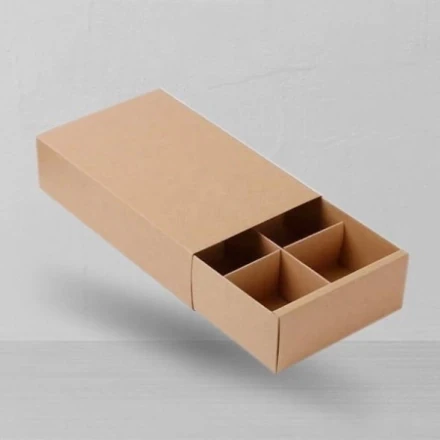
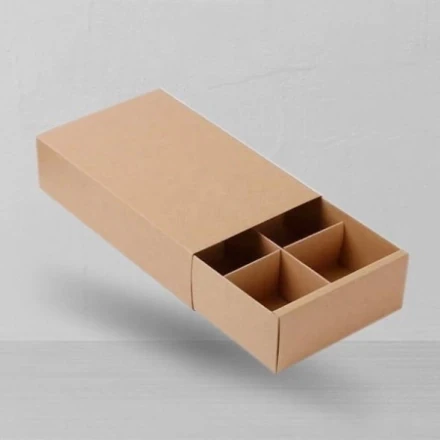
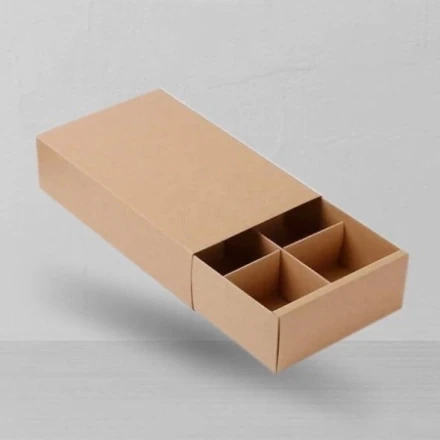
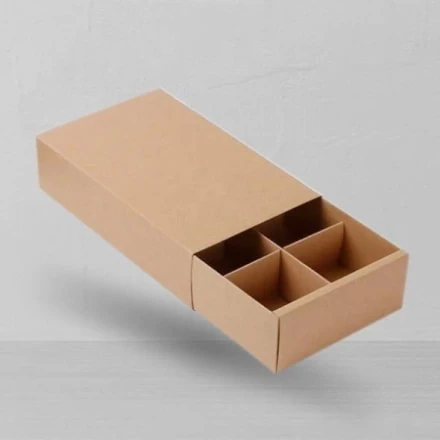
| Box Style | As Mention Above |
|---|---|
| Dimension (L + W + H) | All Custom Sizes & Shapes |
| Minimum Run ( For Boxes and Mylar Bags) | 100 Boxes - 1000 Mylar Bags ( 500 each design) |
| Paper Stock | 10pt to 28pt (60lb to 400lb) Eco-Friendly Kraft, E-flute Corrugated, Bux Board, Cardstock |
| Printing | No Printing, CMYK, CMYK + 1 PMS color, CMYK + 2 PMS colors |
| Finishing | Gloss Lamination, Matte Lamination, Gloss AQ, Gloss UV, Matte UV, Spot UV, Embossing, Foiling |
| Included Options | Die Cutting, Gluing, Scored,Perforation |
| Additional Options | Eco-Friendly, Recycled Boxes, Biodegradable |
| Proof | Flat View, 3D Mock-up, Physical Sampling (On request) |
| Turnaround | 7 - 8 Business Days |
| Shipping | FLAT Position |
What is custom cosmetic packaging, and what does it actually have to do?
Custom cosmetic packaging is paperboard or rigid packaging cut to your product's exact dimensions and printed with both your brand artwork and the label information Canada requires. Two jobs, one surface and one in beauty, pull in opposite directions. Your designer wants clean space; the Cosmetic Regulations want an INCI list, a bilingual copy, net quantity, and possibly a warning statement.
That tension is where most packaging orders go wrong. A carton designed as artwork first and compliance second either gets reprinted or ships with illegible six-point type. CustomBoxesZone Canada resolves it at the dieline before anything reaches the press.
Where do beauty packaging orders go wrong?
Four failure modes account for most reprints and most damaged deliveries. Knowing which one applies to your SKU determines the spec:
| Failure | Products at risk | The fix |
|---|---|---|
| Glass breakage in transit | Perfume, nail polish, oils | Rigid board plus a die-cut insert that immobilises the bottle |
| Leakage ruining print from inside | Lotion pumps, droppers, rollerballs | Coated interior, upright insert, correct cap clearance |
| Panel overflow at proof stage | Lipstick, oils, small-format skincare | Bilingual and INCI layout planned before artwork |
| Structural sag on shelf | Palettes, kits, extensions | Correct board weight and caliper for the footprint |
Every quote we issue names which of these your product faces, so the spec is a decision rather than a default.
Who is this range built for?
Canadian beauty brands at any stage, plus the people supplying them. Indie founders launching a first SKU on a 50-unit run. Established skincare and fragrance lines moving into grocery or pharmacy. Salon and barbershop retail programmes. Hair extension and wig sellers. Private-label manufacturers producing under multiple brand names. Subscription and PR-kit operators. E-commerce sellers shipping glass across the country.
If you're pre-revenue, the 50-unit minimum matters more than anything else on this page — it lets you test a shade or a scent before you commit capital to a pallet.
Fragrance and colour cosmetics
Fragrance is the most packaging-dependent product in beauty nobody can smell it through a screen, so the box carries the entire value claim. Custom perfume boxes are built as rigid two-piece, magnetic-closure, sleeved, rigid, and windowed cartons, with foam, EVA, or moulded paperboard inserts holding the bottle immobile.
Foil stamping, soft-touch lamination, embossing, and spot UV are the finishes that let a fragrance hold a premium price point on the shelf. For fragrance houses, indie perfumers, gift-set programmes, hotel amenity suppliers, and corporate gifting.
Custom nail polish boxes
Polish bottles are top-heavy glass with a brush cap, so lateral movement is the enemy; any shift risks a cracked neck or a leak at the closure. Custom nail polish boxes use partitioned inserts that hold each bottle upright in single, 3-pack, 6-pack, and 12-pack collection layouts.
A die-cut window lets shoppers match shade without opening, which cuts tester loss at the counter. For polish brands, gel and salon systems, nail techs building private label, and seasonal drops.
Custom lipstick boxes
A lipstick carton is the hardest layout job in a cosmetics brand, with shade name, shade number, INCI list, net quantity and bilingual copy on a footprint a few centimetres wide. Panel hierarchy is the work; decoration comes after.
Custom lipstick boxes are produced as slim tuck-end cartons, rigid sleeve-and-tray sets, windowed boxes, and multi-shade collection packs. A printed swatch or window reduces the wrong-shade returns that quietly drain colour margin. For lipstick, gloss, and liquid lip brands, gift sets, and private-label colour houses.
Custom makeup boxes
Mixed components need compartments, not space. Compacts, palettes, brushes, applicators and sachets each want their own cavity a loose product rattling in an oversized box reads as cheap regardless of formulation quality.
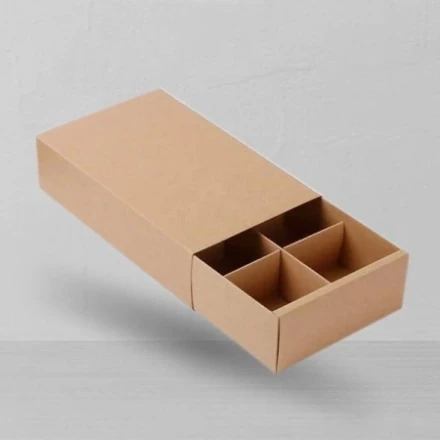
Custom makeup boxes come as rigid palette boxes, magnetic-closure kit boxes, drawer-style boxes, sleeved trays, and windowed retail cartons with printed or moulded inserts. For colour cosmetics brands, palette and kit sellers, subscription boxes, MUAs launching products, and private-label producers.
Hair and grooming
Longer, flatter, and stronger than they look. Custom hair extension boxes are elongated rigid boxes, drawer and slide-out formats, magnetic-closure boxes, and windowed cartons sized to 12″–32″ (30–81 cm) bundles.
Extensions are high-ticket and high-return, and presentation carries the price gap between a $300 bundle and a $60 one. Handle cut-outs and reclosable structures matter here for a second reason: customers keep and reuse these boxes, so brand exposure runs for months after purchase. For extension and wig brands, salon suppliers, lace-front and closure sellers, and hair e-commerce.
Custom beard boxes
A grooming kit is one SKU, and the insert is what makes it feel like one. Custom beard boxes hold oil bottles, balm tins, brushes, combs, and scissors in a single fitted tray.
Available as rigid kit boxes, magnetic-closure boxes, kraft cartons with printed inserts, and single-bottle sleeves. Kraft with one-colour line art is both the dominant look in grooming and the cheapest to produce, a rare case where the on-trend aesthetic lowers your unit cost. For grooming brands, barbershop retail lines, gift sets, and subscription boxes.
Skincare, body care, and oils
Two things break lotion cartons: no pump clearance and no interior barrier. Get the first wrong and the box won't close; get the second wrong and a slow leak destroys the print from the inside.
Custom lotion boxes are built with accurate pump and cap clearance, coated interiors, and upright inserts — as tuck-end and auto-lock cartons, rigid boxes, sleeved trays, windowed retail boxes, and multi-unit body-care sets, from 30 ml travel to 500 ml pumps. These carry the densest regulatory copy in the range, so panel hierarchy is designed alongside artwork. For skincare and body-care brands, spa and hotel amenity suppliers, private label, and pharmacy listings.
Custom oil boxes
Dropper and rollerball closures are the most leak-prone in beauty, so oil boxes need a snug insert and a coated interior. Custom oil boxes are slim rigid boxes, tuck-end cartons, kraft sleeves, and multi-bottle sets for 10 ml to 100 ml bottles.
Oils sell on purity cues, which is why kraft, uncoated stock, and single-colour printing outperform glossy full-bleed; here the packaging has to look like the claim. Space is also planned for cautionary statements where a formula requires them. For facial and hair oil brands, essential oil and aromatherapy sellers, beard and body oil lines, and wellness retail.
What does Canadian cosmetic law require on your box?
Canada doesn't pre-approve cosmetics; it regulates them, and most of the obligation lands on your label. Every manufacturer and importer must submit a completed Cosmetic Notification Form to Health Canada within 10 days for each cosmetic they intend to sell in Canada, and submitting it is not an approval for sale. The form covers contact details on the inner label, whether the product is rinse-off or leave-on, the ingredient list in INCI nomenclature, and the Canadian name and address of the manufacturer or importer.
Four requirements that change your dieline, not just your copy:
INCI is mandatory and space-hungry. The Cosmetic Regulations require every cosmetic sold in Canada to list ingredients using the INCI system from the current International Cosmetic Ingredient Dictionary and Handbook, in descending order. On a lipstick carton that's a geometry problem before it's a design one.
Bilingual, with more in Québec. Under the Food and Drugs Act, Cosmetic Regulations, and Consumer Packaging and Labelling Act, product identity, net quantity, directions for use and mandatory warnings must appear in both official languages, though INCI names are treated as universal and don't need translation. Québec adds further French-language requirements on top of the federal baseline.
The Hotlist can put a warning on your panel. Health Canada's Cosmetic Ingredient Hotlist names substances prohibited or restricted in cosmetics sold in Canada; prohibited ingredients can't be sold, and restricted ones only within set limits or conditions. Some carry conditions of use, including specific warning statements that must appear on the label, reviewing your formula against it before design avoids reprints.
Fragrance allergens have thresholds. Health Canada's notification guidance sets disclosure at above 0.001% for leave-on products and above 0.01% for rinse-off.
Why this is a business problem, not a paperwork one: labelling errors are among the most common causes of enforcement action, product holds, and market delays, missing bilingual content, outdated INCI names, poor font contrast, and net quantity statements that miss metric and placement rules. Each of those means a reprint, which is the single most expensive event in a packaging order.
Our side of the line: bilingual panel layout with Québec prominence, legible INCI panels at small format, metric net quantity placed per CPLA, planned space for Hotlist warnings and allergen disclosures, skin-contact-appropriate coatings, and FSC and PCR stock with documentation.
Your side: notification and final compliance verification before sale. We flag layout conflicts before the press; we don't certify formulas.
One classification note: hair extensions and wigs generally aren't cosmetics and don't require a CNF, while beard oils, balms, and body oils usually are. Confirm your SKU's classification before we lock panels.
Which stock, print, and finish should you choose?
Substrates
- Rigid chipboard 1.2–3 mm perfume, palettes, extensions, luxury tiers
- SBS / white paperboard 14 pt–24 pt sharpest full-colour retail printing
- Kraft paperboard 14 pt–24 pt unbleached and recyclable; dominant in grooming and oils
- E-flute corrugated e-commerce shipping strength around glass
- FSC-certified and PCR options on every substrate above
- Offset — sharpest reproduction, most economical at volume
- Digital — no plate cost; best for shade variants, seasonal drops, and bilingual versions
- Flexo — high-volume one- and two-colour work
- CMYK, Pantone (PMS), metallic and speciality inks
Finishing
- Gloss, matte, soft-touch, aqueous lamination
- Foil stamping gold, silver, rose gold, holographic
- Spot UV, embossing, debossing
- Die-cut windows with clear PET film
- Magnetic closures, ribbon pulls, drawer mechanisms
- Foam, EVA, moulded paperboard inserts and partitions
Full specifications
| Specification | Detail |
|---|---|
| Box styles | Rigid two-piece, magnetic closure, drawer, sleeve & tray, tuck end, auto-lock, windowed, multi-cavity kit |
| Dimensions | Fully custom; 1×1×2″ to 34×8×4″ (2.5×2.5×5 cm to 86×20×10 cm) |
| MOQ | 50 units |
| Stock | 14 pt–24 pt SBS or kraft, 1.2–3 mm rigid, E-flute; FSC & PCR options |
| Printing | Offset, digital, flexo — CMYK, Pantone, metallic |
| Finishing | Gloss/matte/soft-touch, foil, spot UV, emboss, deboss, window, magnetic closure |
| Inserts | Foam, EVA, moulded paperboard, printed partitions |
| Labelling | Bilingual EN/FR, INCI list, metric net quantity |
| Turnaround | 8–12 business days after approval; rush 4–6 |
| Shipping | Free across Canada; 3–6 business days transit |
| Capacity | 500,000+ boxes per month |
| Proofing | Free 3D digital proof; physical sample on request |
How fast can you get boxes, and where do they ship?
Eleven to eighteen business days from first enquiry to delivered boxes, anywhere in Canada.
- Quote send product, bottle dimensions, quantity, stock, and finish. Response within 24 hours.
- Dieline and proof upload artwork or use our free design team; 3D proof typically within 24–48 hours, bilingual and INCI panels laid out.
- Approval: nothing prints without your written sign-off.
- Production: 8–12 business days standard, 4–6 rush.
- Delivery with free shipping to Ontario, Québec, British Columbia, Alberta, Manitoba, Saskatchewan, Nova Scotia, New Brunswick, Newfoundland and Labrador, Prince Edward Island and the territories, including Toronto, Montréal, Vancouver, Calgary, Edmonton, Ottawa, Winnipeg, Québec City and Halifax. Remote and northern destinations quoted individually.
Why work with CustomBoxesZone Canada?
- Compliance layout designed at the dieline stage, not retrofitted at proof
- Insert engineering for glass, pumps, droppers and palettes as standard, not an upsell
- 50-unit minimum, so a shade or scent launch doesn't need a pallet
- Free structural design and 3D proofing on every order
- No die, plate, or setup charges
- FSC and PCR stock with certification documentation on request
- 500,000+ boxes per month for holiday and launch peaks
Ready to spec your box?
Send the product, dimensions, and quantity and you'll have a quote within 24 hours. CustomBoxesZone Canada produces custom cosmetic packaging boxes from 50 units to 500,000+ per month for a single lipstick SKU or a full eight-line range across perfume, nail polish, makeup, lipstick, hair extension, beard, lotion, and oil packaging. Free design, free shipping, no setup fees.


