

| Box Style | As Mention Above |
|---|---|
| Dimension (L + W + H) | All Custom Sizes & Shapes |
| Minimum Run ( For Boxes and Mylar Bags) | 100 Boxes - 1000 Mylar Bags ( 500 each design) |
| Paper Stock | 10pt to 28pt (60lb to 400lb) Eco-Friendly Kraft, E-flute Corrugated, Bux Board, Cardstock |
| Printing | No Printing, CMYK, CMYK + 1 PMS color, CMYK + 2 PMS colors |
| Finishing | Gloss Lamination, Matte Lamination, Gloss AQ, Gloss UV, Matte UV, Spot UV, Embossing, Foiling |
| Included Options | Die Cutting, Gluing, Scored,Perforation |
| Additional Options | Eco-Friendly, Recycled Boxes, Biodegradable |
| Proof | Flat View, 3D Mock-up, Physical Sampling (On request) |
| Turnaround | 7 - 8 Business Days |
| Shipping | FLAT Position |
Choose Your Stock
Every order is printed on your choice of four packaging stocks. Not sure which suits your product? Tell us what you're packing and we'll recommend one.
-
01

-
02

-
03

-
04

Finishing Assortment
Finishes are what make a box feel considered. Combine any of the options below — our team will proof the effect before anything goes to print.
-
01

-
02

-
03

-
04

-
05

-
06

Packaging That Makes Products Easier to Access
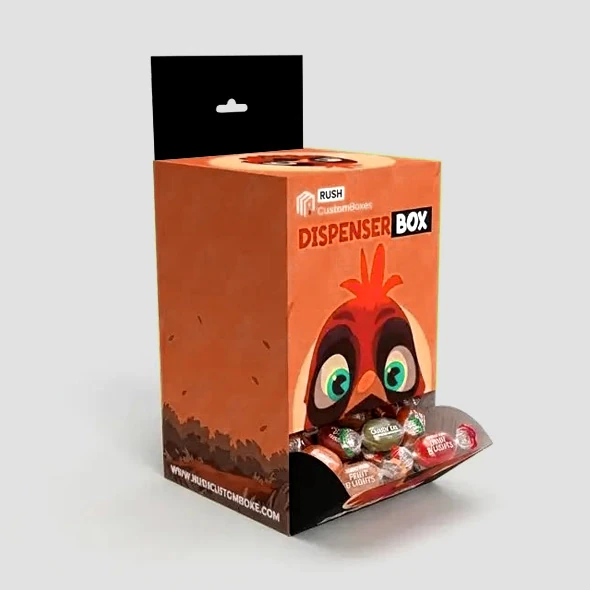
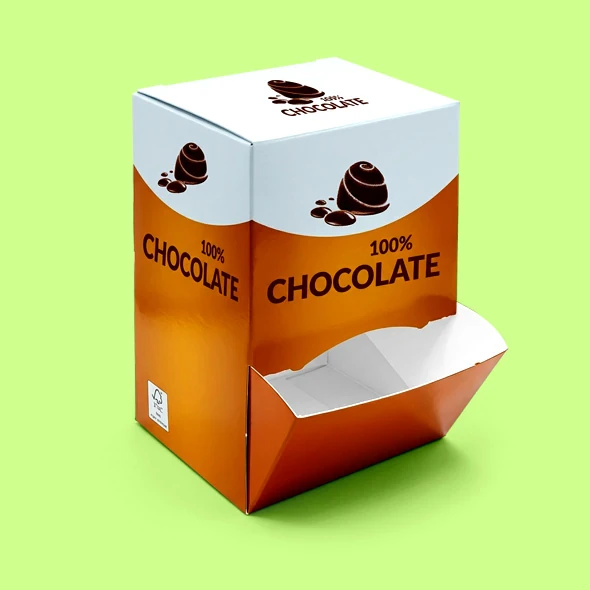
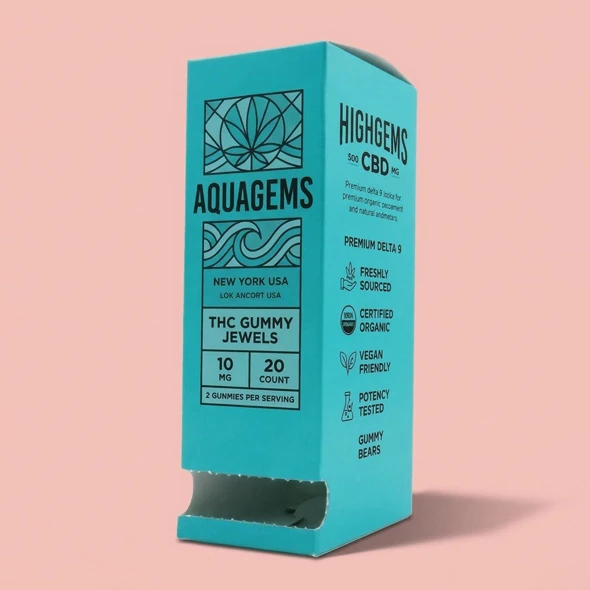
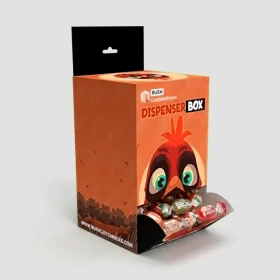
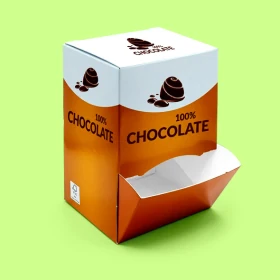
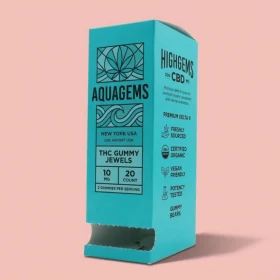
Dispenser boxes are designed to let users retrieve products directly from the packaging without opening the entire box. A dispensing opening, perforated panel, or purpose-built access point allows individual items to be removed while the remaining stock stays organized inside.
This design is especially useful when products are sold or distributed individually, supplied in repeated quantities, or kept within easy reach of customers and staff. Rather than treating the box as disposable outer packaging, businesses can use it as a functional part of product storage, merchandising, and everyday distribution.
Custom dispenser boxes can be developed around the dimensions, shape, quantity, and dispensing method of the products they contain. The opening must be wide enough for convenient access but appropriately sized to prevent products from falling out unintentionally. Internal dimensions, board strength, and box orientation also influence how reliably the dispenser works.
For retailers, manufacturers, and product suppliers across Canada, selecting the correct dispensing structure can improve product accessibility while keeping packaging and stock presentation consistent.
Choose a Dispenser Opening That Fits the Product
The dispensing opening determines how products are accessed and how the box performs during use. Its design should reflect the product's shape, quantity, packaging, and expected removal frequency.
Perforated Tear-Open Panels
Perforated panels allow users to remove a designated section of the box to create an access opening. This format can work well when the packaging is converted from a shipping or storage carton into a dispensing unit.
The perforation should tear cleanly without damaging the remaining structure. Its position must also preserve sufficient strength around the opening.
Front Dispensing Openings
A front opening allows users to reach products from the front of the box. This design can be useful for retail counters, shelves, and storage areas where products need to remain visible and accessible.
The opening dimensions should prevent products from becoming trapped while providing enough support to keep the remaining contents in position.
Top-Access Dispensers
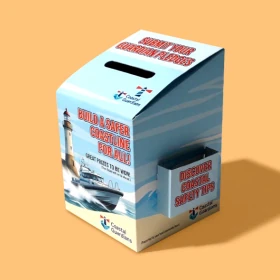
Top-access dispenser boxes allow products to be retrieved through an opening on the upper panel. They may suit products that are loaded vertically or removed from above.
The design should consider the product's shape, the available headroom, and whether the box will be placed under a shelf or inside a display unit.
Countertop Dispenser Boxes
Countertop dispensers are designed for convenient placement on retail counters, reception desks, service areas, or checkout stations. They can be printed with product information and branding to help identify the merchandise.
The footprint, opening position, and overall height should match the available counter space and the frequency of product replenishment.
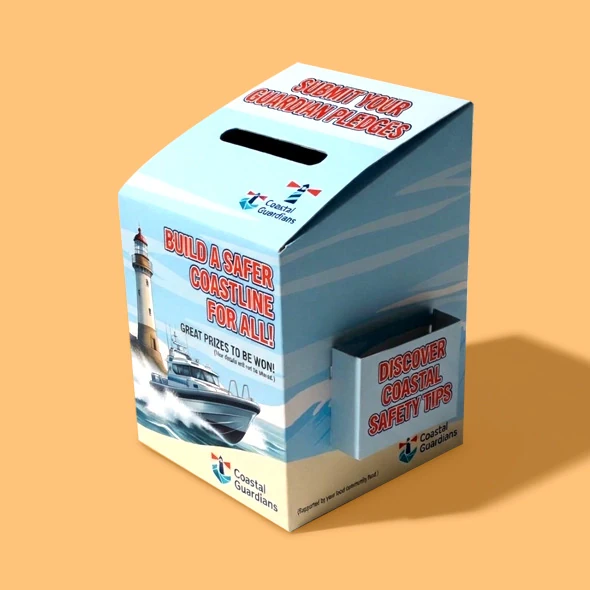
Custom Dispensing Structures
Some products require a specific opening, angled panel, internal support, or divided compartment. A custom structure can accommodate these requirements when a standard opening would make products difficult to retrieve.
A physical sample is useful for testing the dispensing action before approving a production run.
Materials That Maintain Shape During Repeated Use
Dispenser packaging needs to retain enough rigidity to support its contents as products are removed. Material selection should account for the box dimensions, product weight, opening size, and expected duration of use.
Cardboard and paperboard: These materials are suitable for many retail dispensers containing lightweight products. They provide printable surfaces for branding and product information, while their thickness and folding design determine the finished structure's rigidity.
Kraft board: Kraft packaging offers a natural appearance for brands that prefer simple, understated presentation. It can be suitable for selected accessories, stationery, and lightweight merchandise, depending on the required strength.
Corrugated board: Corrugated material contains a fluted layer between liner sheets. It can provide additional cushioning and structural support for larger or heavier products. The appropriate flute profile and board grade depend on the product load and handling conditions.
Coated paperboard: Coated surfaces can support detailed graphics and a more refined printed appearance. They may be appropriate for retail dispensers where visual presentation is an important consideration.
Reinforced board structures: Additional folds, support panels, or reinforced corners can improve stability around larger dispensing openings. The exact design should be developed around the intended product and usage conditions.
Not every dispenser requires heavy-duty material. Choosing an unnecessarily thick board can increase packaging costs and make products harder to retrieve. The goal is to balance structural performance with convenient dispensing.
Design the Box Around How Products Are Used
A dispenser should accommodate the product not only when full but also as the contents decrease. Poorly planned dimensions can cause products to jam, fall through the opening, or become difficult to reach near the bottom of the box.
Start by identifying the number of products each dispenser will hold and how they will be arranged. Consider whether products are individually wrapped, stacked horizontally, placed vertically, or grouped into smaller packs.
Important design considerations include:
- Product dimensions: Measure the items or individual packs that will be dispensed.
- Opening clearance: Allow enough space for removal without creating an unnecessarily large opening.
- Internal arrangement: Use dividers or supports where products need to remain separated.
- Remaining stock: Check whether items can still be retrieved when the box is nearly empty.
- Refilling method: Determine whether the box is intended for one-time loading or repeated replenishment.
- Placement: Consider whether the dispenser will sit on a counter, shelf, workstation, or inside a display fixture.
Testing the structure with actual products can reveal access problems that are difficult to identify from a flat dieline or digital mockup alone.
Custom Printing That Supports Product Identification
Dispenser boxes can do more than hold merchandise. Their visible panels can communicate product names, usage instructions, brand identity, and other information that helps customers or staff identify the contents.
For retail applications, clear branding can help distinguish products and maintain a consistent appearance across multiple stock units. For commercial or workplace applications, product labels and simple instructions may be more important than decorative graphics.
Depending on the selected board and printing process, available options may include:
- CMYK printing: Suitable for multicolor graphics, illustrations, and photographs.
- Pantone color matching: Helps maintain consistency for specific brand colors.
- Matte lamination: Provides a smooth, low-shine surface where compatible.
- Gloss lamination: Adds a reflective appearance to suitable printed panels.
- Spot UV: Highlights selected design elements with a glossy effect.
- Embossing or debossing: Adds raised or recessed details where the material and structure permit.
Artwork must be planned around the dispensing opening, perforations, folds, and glued panels. Avoid placing important product information where it could be removed when the perforated section is torn away.
For dispensers that remain on counters or shelves, consider which panels customers will see first and position the most relevant information accordingly.
Where Custom Dispenser Boxes Work Best
The usefulness of a dispenser depends on whether products can be stored and retrieved efficiently through the selected opening. Different industries have different requirements for accessibility, protection, identification, and replenishment.
Retail accessories: Small accessories can be organized in a dispenser that allows customers or staff to retrieve individual items without opening a larger carton.
Stationery and office supplies: Pens, markers, clips, and similar products can be arranged for easy access in offices, stores, and supply rooms.
Promotional products: Branded merchandise and small giveaways can be made available at reception desks, exhibitions, events, and checkout areas.
Hardware and components: Suitable small parts can be stored in dispensing cartons for controlled access and workplace organization. The opening and material should be selected for the weight and shape of the components.
Cosmetics and personal care accessories: Selected lightweight accessories and individually packaged products can be arranged for retail presentation, provided the design suits the product dimensions.
Food service supplies: Napkins, sachets, and other appropriately packaged supplies may be stored in dispenser boxes for convenient access. Food-contact and hygiene requirements must be considered wherever applicable.
Medical and workplace supplies: Selected non-hazardous, individually packaged supplies can be organized in dispensers when the packaging meets the applicable storage, hygiene, and identification requirements.
A dispenser is not automatically suitable for every product in these categories. Fragile, moisture-sensitive, regulated, or unusually heavy items may need additional protective features or a different packaging structure.
Reduce Waste and Simplify Stock Replenishment
A well-designed dispenser can make stock management easier by keeping products grouped in a known location. Staff can see when supplies are running low and replenish the unit according to the business's operating requirements.
The packaging should support a practical replenishment process. Some dispenser boxes are intended to be loaded once and discarded when empty, while others may be designed to accept refills. These are different use cases and should be established before selecting the structure.
For a refillable design, consider how the box opens, how products are added, and whether repeated handling will weaken the panels. For a single-use dispenser, focus on easy initial setup, reliable dispensing, and appropriate material usage.
Packaging efficiency also depends on the product layout. A dispenser that holds the correct quantity without excessive empty space can simplify storage and reduce unnecessary packaging volume. However, reducing material should never compromise the box's ability to support the products or dispense them properly.
What Determines the Cost of Custom Dispenser Boxes?
The cost of a custom dispenser depends on its construction and production requirements rather than the dispensing opening alone.
Key pricing factors include box dimensions, material grade, order quantity, printing coverage, finishing, perforation complexity, internal dividers, and any special structural features. Larger openings or unusual panel arrangements may require additional design and production considerations.
Order quantity also affects unit cost. Larger production runs may offer better per-unit economics, while smaller runs can be more suitable for testing a new product, launching a limited campaign, or changing packaging frequently.
To request an accurate quotation from CustomBoxesZone Canada, prepare:
- Product dimensions and total weight.
- Number of items each box should hold.
- Preferred dispensing opening and box orientation.
- Material and printing requirements.
- Expected order quantity.
- Replenishment, storage, and display requirements.
If you have an existing dispenser, provide a sample or reference photograph to help communicate the desired structure. A prototype can then be evaluated for product fit, dispensing performance, stability, and ease of replenishment before full production.
Order Custom Dispenser Boxes in Canada
The most effective dispenser packaging is designed around actual product use. Opening dimensions, internal layout, material strength, and branding all influence whether the box remains practical throughout its working life.
CustomBoxesZone Canada can help you specify a dispenser format for retail merchandise, workplace supplies, promotional products, and other suitable applications. Share your product details, required capacity, preferred dispensing method, and artwork requirements when requesting a quote.
Before approving production, verify that products can be removed easily, the remaining contents stay organized, and the box maintains its shape under normal use. These checks help ensure that your custom dispenser boxes work as intended rather than serving only as outer packaging.