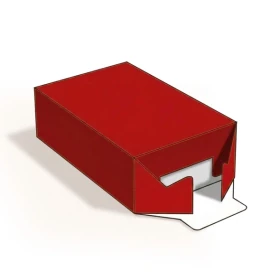
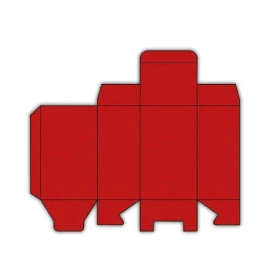


| Box Style | As Mention Above |
|---|---|
| Dimension (L + W + H) | All Custom Sizes & Shapes |
| Minimum Run ( For Boxes and Mylar Bags) | 100 Boxes - 1000 Mylar Bags ( 500 each design) |
| Paper Stock | 10pt to 28pt (60lb to 400lb) Eco-Friendly Kraft, E-flute Corrugated, Bux Board, Cardstock |
| Printing | No Printing, CMYK, CMYK + 1 PMS color, CMYK + 2 PMS colors |
| Finishing | Gloss Lamination, Matte Lamination, Gloss AQ, Gloss UV, Matte UV, Spot UV, Embossing, Foiling |
| Included Options | Die Cutting, Gluing, Scored,Perforation |
| Additional Options | Eco-Friendly, Recycled Boxes, Biodegradable |
| Proof | Flat View, 3D Mock-up, Physical Sampling (On request) |
| Turnaround | 7 - 8 Business Days |
| Shipping | FLAT Position |
Choose Your Stock
Every order is printed on your choice of four packaging stocks. Not sure which suits your product? Tell us what you're packing and we'll recommend one.
-
01

-
02

-
03

-
04

Finishing Assortment
Finishes are what make a box feel considered. Combine any of the options below — our team will proof the effect before anything goes to print.
-
01

-
02

-
03

-
04

-
05

-
06

1 2 3 Bottom Boxes for Custom Product Packaging
Packaging needs to do more than hold a product. It should protect the contents, support convenient handling, and present your brand professionally. 1 2 3 bottom boxes offer a practical folding carton design for businesses that need attractive packaging with a manually assembled, interlocking base.
These cartons are commonly considered for retail products, cosmetics, small accessories, gift items, and other lightweight goods. Their suitability depends on the product's weight, dimensions, and handling requirements. With the right board material and structural design, they can provide a useful combination of presentation, storage convenience, and assembly efficiency.
What Are 1 2 3 Bottom Boxes?
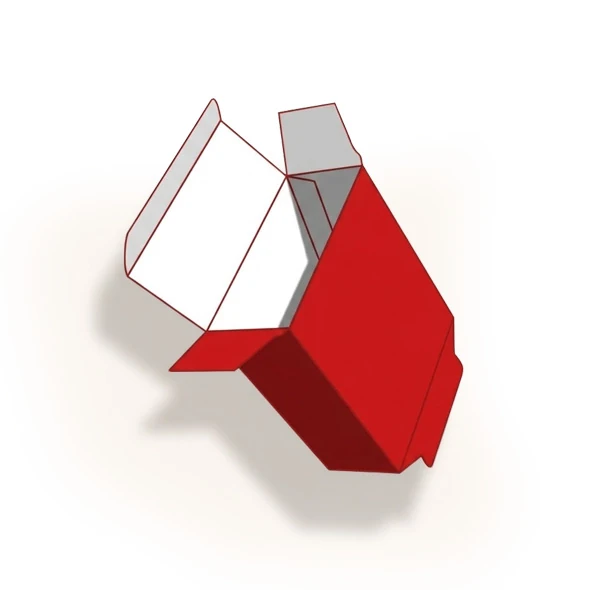
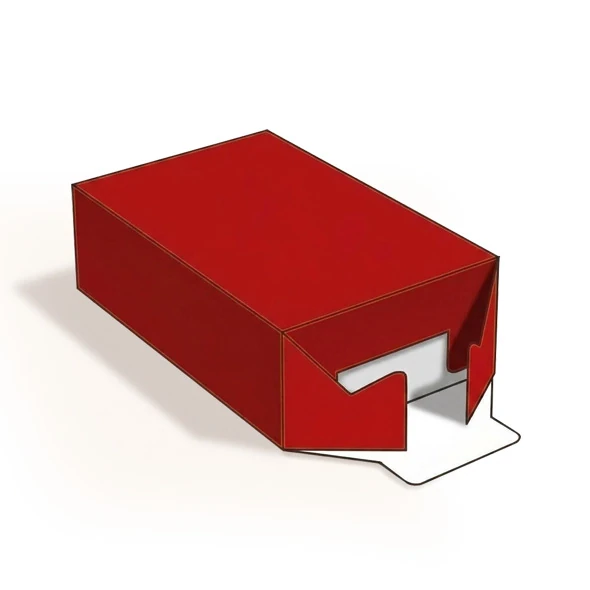
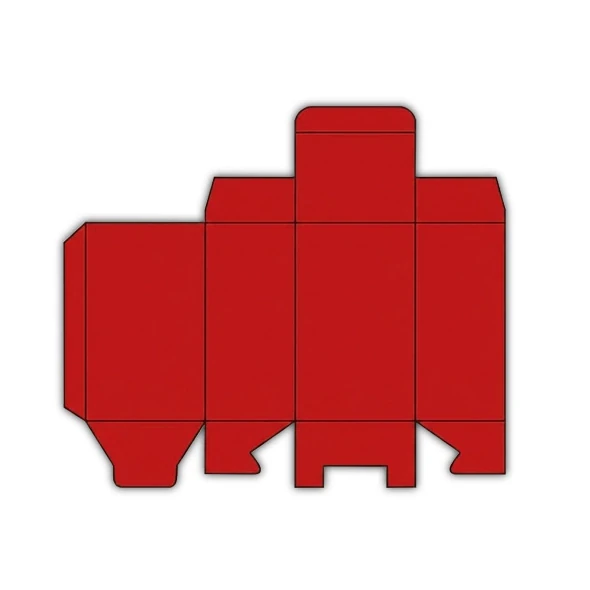
A 1 2 3 bottom box is a folding carton with bottom flaps that fold and interlock in a sequence to create the base. The name describes the assembly style: the flaps are folded into position to form the bottom of the carton.
Unlike a conventional glued-bottom carton, this construction can often be supplied flat and assembled when needed. This helps reduce the storage space required for unused packaging and allows businesses to prepare cartons as products are packed.
The exact construction may differ between manufacturers, so it is worth checking a structural sample before ordering a large quantity. If your products are heavy, fragile, or shipped over long distances, ask whether the selected bottom style provides sufficient support for the intended application.
Benefits of This Packaging Style
Convenient assembly
The folding design allows cartons to be stored flat before use. Staff can assemble them as needed, helping keep packing areas organized. Assembly speed depends on the carton dimensions, board stiffness, and the experience of the person packing the products.
Space-saving storage
Flat-packed cartons generally occupy less space than fully assembled boxes. This can be useful for retailers, warehouses, small businesses, and online sellers with limited storage capacity.
Professional product presentation
Printed packaging can help products look consistent across shelves, counters, and customer orders. Businesses can incorporate their logo, product name, brand colours, instructions, and other relevant details into the design.
Flexible customization
Cartons can be produced in different dimensions, board grades, colours, and finishes. This allows businesses to match the packaging to their product and brand identity rather than relying on a single standard size.
Practical retail use
When correctly sized and made from suitable materials, these cartons can work well for many products sold in stores or packed for local delivery. The appropriate construction should be selected according to the product's weight and protection requirements.
Materials and Board Options
The material affects the appearance, rigidity, print quality, and cost of a carton. The best choice depends on how the product will be displayed, stored, and transported.
Folding box board: Often used for retail cartons that require a smooth surface for printing. It can be suitable for cosmetics, personal-care products, accessories, and various lightweight consumer goods.
White cardboard: A useful option for packaging that needs a clean appearance and clear printed graphics. The exact strength and surface quality depend on the board specification.
Kraft board: Offers a natural, brown-paper appearance that may suit handmade goods, simple retail packaging, and brands seeking a kraft-style design. Confirm that the chosen grade provides the necessary rigidity.
Recycled-content board: May be available for businesses seeking packaging with recycled material. Check the supplier's documented material specifications and any relevant certifications before making environmental claims.
Material thickness alone does not determine the strength of a finished carton. Board grade, grain direction, dimensions, product weight, and structural design can all affect performance.
Custom Sizes and Dimensions
A well-fitted carton helps reduce unnecessary movement inside the package and avoids wasting space. When requesting custom packaging, measure the product carefully and clarify whether the dimensions supplied are internal or external.
Consider the product's length, width, and height, along with any inserts, protective wrapping, or accessories that must fit inside. Allow enough clearance for packing without making the carton unnecessarily large.
For irregularly shaped or delicate products, a sample can help establish whether the base, side panels, and closure work as intended. A packaging supplier can also advise whether a different carton construction would be more appropriate.
Custom Printing and Finishing
Printed cartons give businesses an opportunity to communicate product information and create a consistent brand experience. Artwork can include logos, product descriptions, usage instructions, barcodes, contact details, and required regulatory information.
Depending on the material and production method, printing options may include:
- CMYK printing: Suitable for many full-colour designs.
- Pantone colours: Useful when specific brand colours need closer control.
- Matte finish: Creates a subdued appearance.
- Gloss finish: Adds shine and can increase colour vibrancy.
- Protective coating: May help resist ordinary scuffing, depending on the selected coating.
- Foil or embossing: Can add decorative emphasis to selected areas.
Not every finish is suitable for every board type or budget. Request a proof or sample when colour matching, small text, or premium presentation is particularly important.
Suitable Applications
These cartons may be suitable for a variety of products, provided the dimensions and construction match the intended use.
Cosmetics and personal care: Packaging for selected creams, soaps, beauty accessories, and small personal-care items.
Retail accessories: Boxes for lightweight accessories, small household products, and selected electronic accessories that do not require specialised protective packaging.
Gifts and promotional items: Branded cartons for giveaways, event merchandise, and small gift products.
Stationery and office products: Packaging for selected stationery items, supplies, and lightweight desk accessories.
Small business products: Custom cartons for handmade products, boutique retail items, and online orders.
For liquids, food, fragile products, or items with specific hygiene requirements, verify that the material, coating, and construction are appropriate. Standard folding cartons are not automatically leakproof, food-safe, or suitable for direct product contact.
Are 1 2 3 Bottom Boxes Right for Shipping?
These boxes can be useful as primary product packaging, but they should not automatically be treated as shipping cartons. An interlocking base may be appropriate for certain lightweight products, yet performance depends on the board grade, carton dimensions, product weight, and how the package is handled.
For courier deliveries, consider placing the product carton inside a suitable outer shipping box or using additional protective materials where necessary. Test the complete packed product under realistic handling conditions before relying on it for regular deliveries.
If your product is heavy or puts concentrated pressure on the base, ask your packaging supplier to assess the design. A reinforced or alternative bottom construction may provide better support.
How to Order Custom 1 2 3 Bottom Boxes
Before requesting a quotation, prepare the information a manufacturer needs to recommend a suitable design.
- Product dimensions: Provide accurate measurements and note any inserts or accessories.
- Product weight: Explain how much weight each carton must support.
- Material preference: Specify your preferred board type or ask for recommendations.
- Printing artwork: Supply your logo, design files, colours, and required text.
- Order quantity: Request pricing for quantities that match your anticipated demand.
- Finish requirements: Identify any coating or decorative details.
- Sample approval: Ask to review a structural sample or printed proof where appropriate.
- Delivery details: Confirm production lead time, shipping arrangements, and the delivery location.
Comparing quotations on the same specifications makes it easier to evaluate price and quality fairly.
Choosing the Right Packaging Supplier
A suitable supplier should explain the carton structure, available materials, printing options, minimum order quantity, and expected production timeline. Ask for clear specifications rather than relying only on photographs or general descriptions.
For repeat orders, keep an approved sample and artwork file so future production can be checked against the original requirements. Confirm any changes to material, dimensions, printing, or finishing before authorizing production.
Get Custom Packaging for Your Products
1 2 3 bottom boxes offer a practical option for businesses looking for flat-packed cartons with an interlocking base and customizable presentation. The right choice depends on product dimensions, weight, board quality, printing requirements, and the way the packaging will be used.
Compare the construction, request a sample when needed, and provide complete specifications before ordering. These steps help you choose packaging that fits your product, supports efficient packing, and presents your brand consistently.